Articles > Driver's Corner
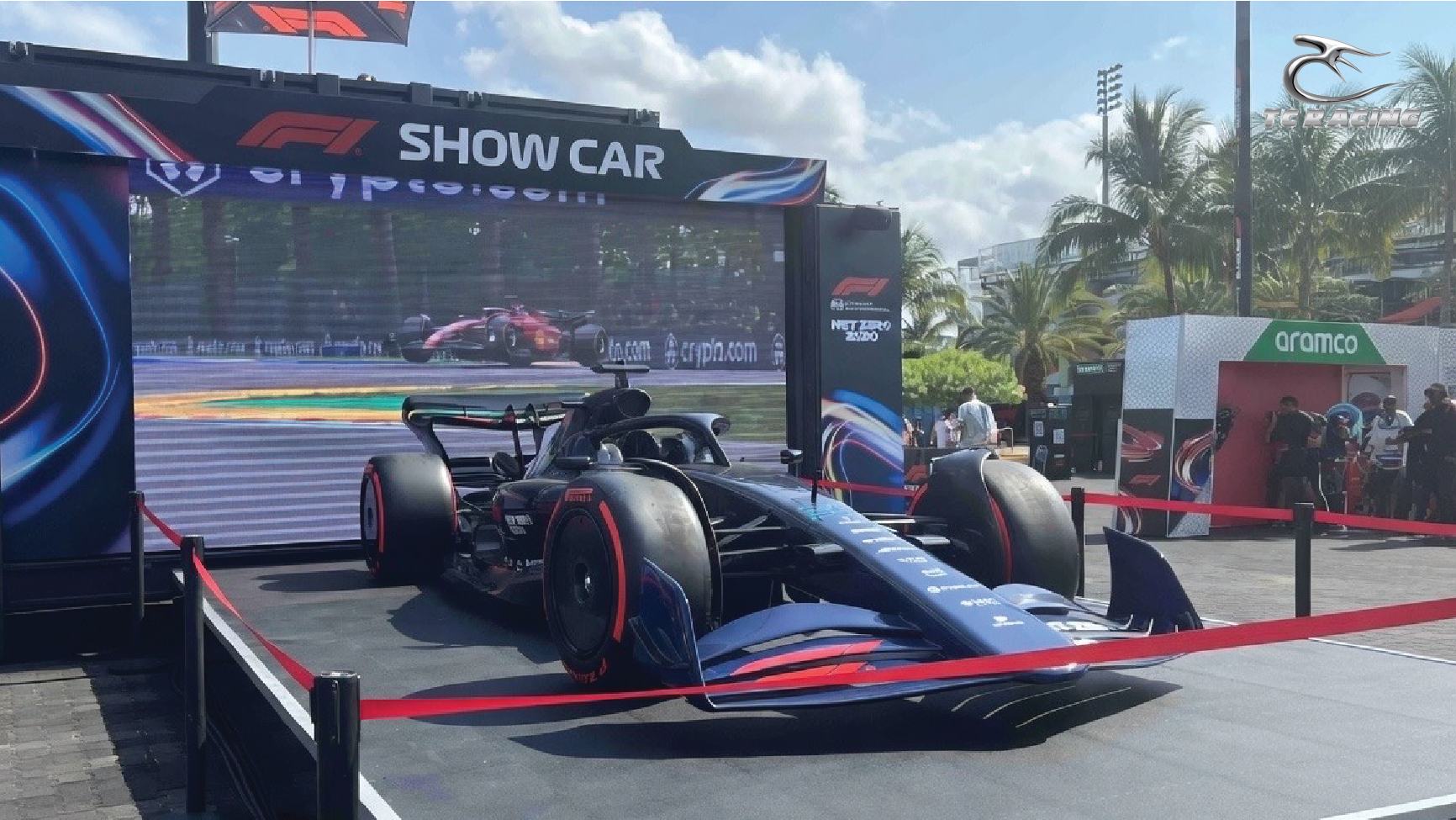
Formula One® at a Crossroads: 2026, Electrification, and the Questions Surrounding the Sport
Formula One® is entering one of the most debated transitions in its modern history. With new regulations set for the 2026 season that place a stronger emphasis on hybrid-electric power, the sport is attempting to balance innovation, sustainability, and fan expectations. At the same time, scheduling gaps, evolving viewership trends, and speculation surrounding top drivers like Max Verstappen have fueled ongoing conversations about where Formula One is headed next.
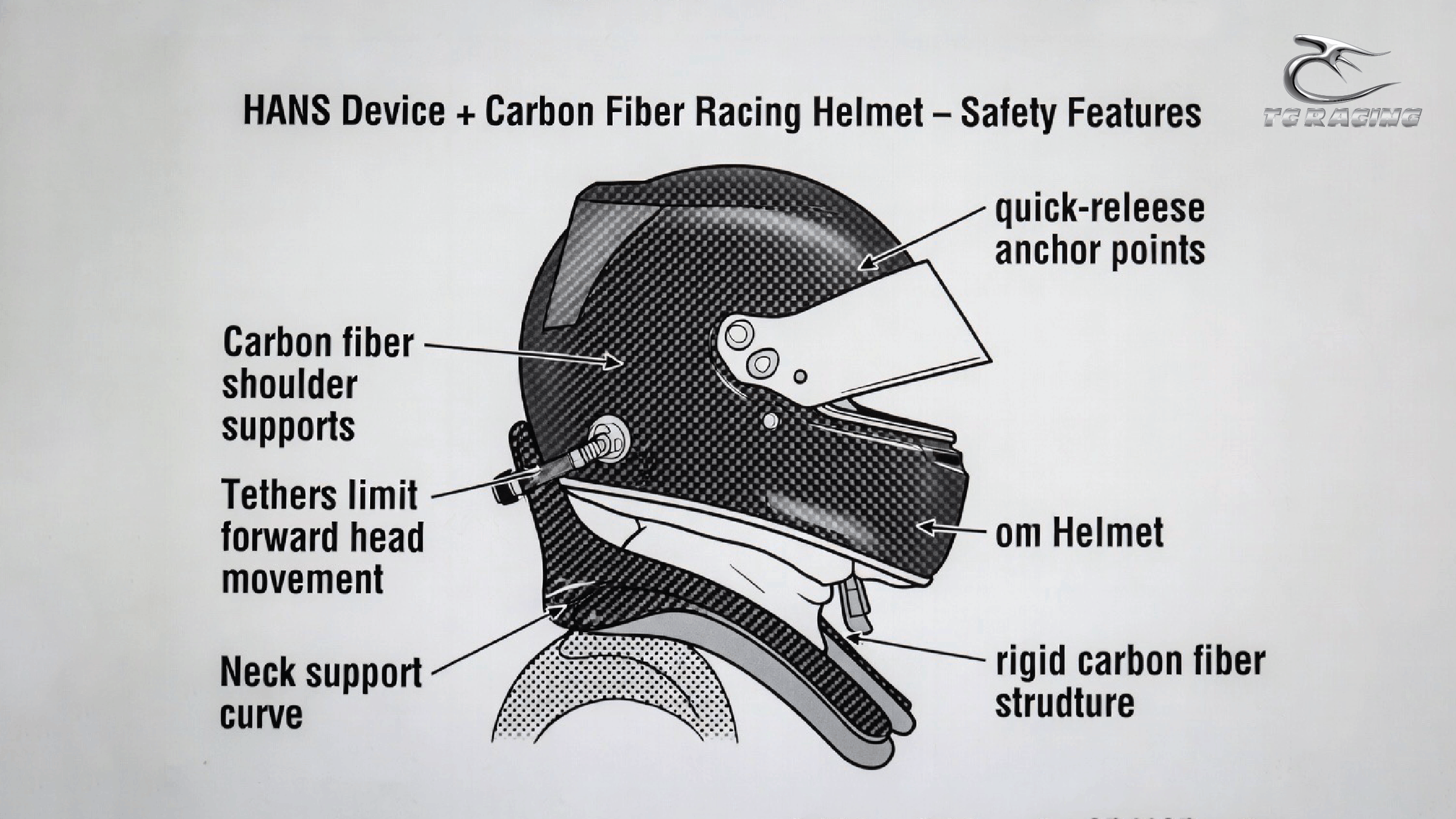
The HANS Device: Racing’s Quiet Lifesaver
What Is the HANS Device? You know how in racing, everyone talks about horsepower, lap times, and who’s got the better aero package? Yeah, that’s great until you hit a wall at 180 mph. Then suddenly, the most important piece of equipment isn’t your engine, it’s the thing keeping your head attached to your body. Enter the HANS device. It doesn’t roar, it doesn’t glow, and it won’t win you a race. But it just might make sure you’re around to race the next one. HANS stands for Head and Neck Support. It’s a carbon fiber collar that sits on a driver’s shoulders and connects to the helmet using tethers. Think of it like this. Your seatbelt keeps your body planted, but your head? That thing wants to keep going forward like it’s late for dinner. The HANS device politely says, “Not so fast.”
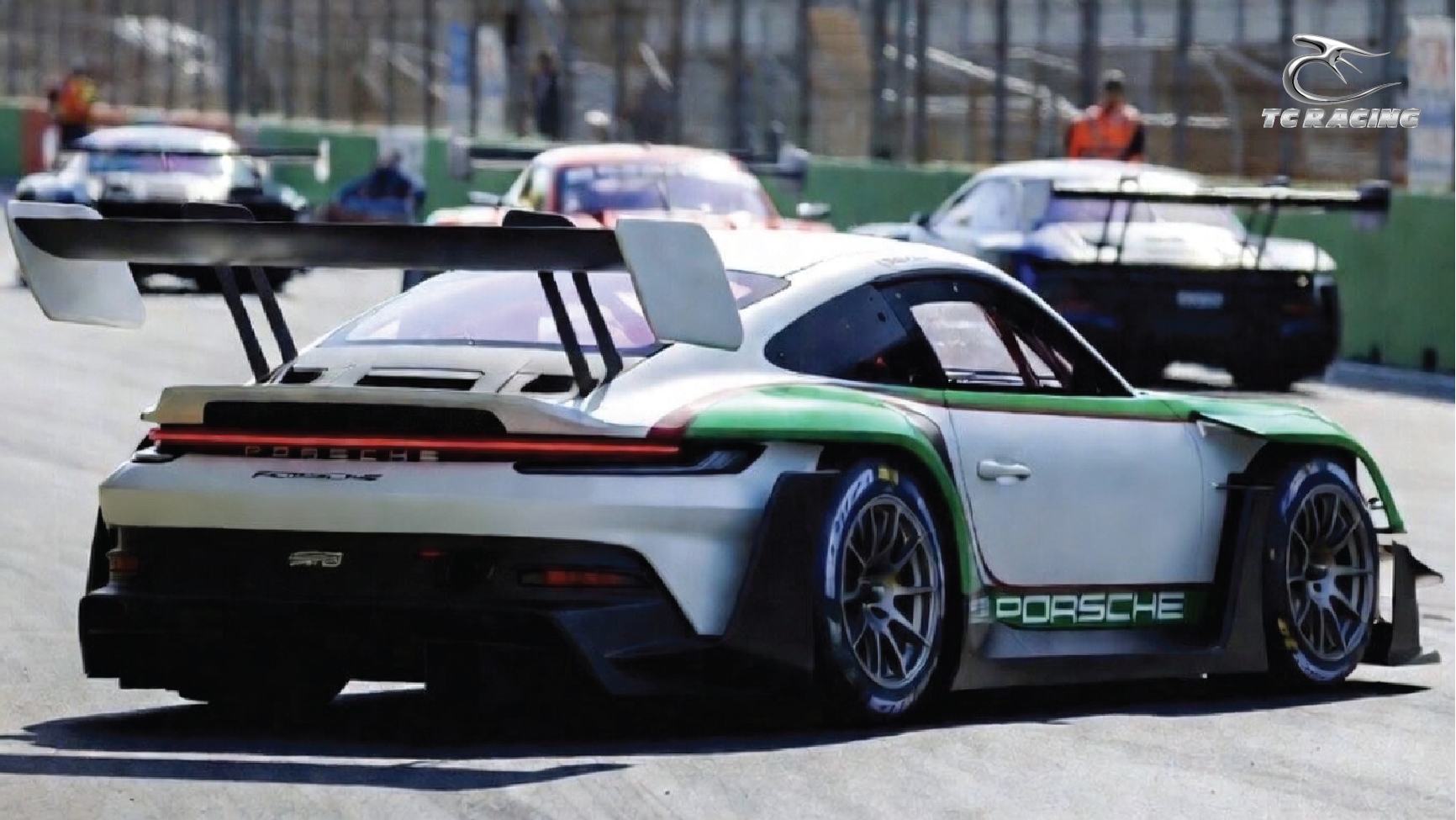
Downforce, Drafting, and the Art of Air: GTD Pro & GTD Explained
Aerodynamics plays a defining role in modern GT racing, particularly within the GTD Pro and GTD classes of the IMSA® WeatherTech® SportsCar Championship. This article explores the critical function of downforce generated by spoilers and aerodynamic components, alongside the strategic use of drafting to gain competitive advantage. By examining how airflow interacts with GT3®-based race cars across varying track conditions, this piece highlights the balance between grip and speed, the influence of environmental factors, and the driver’s role in managing aerodynamic performance. Written in an instinctive, observational tone, this serves as both a technical breakdown and a tribute to the subtle art of racing through air.
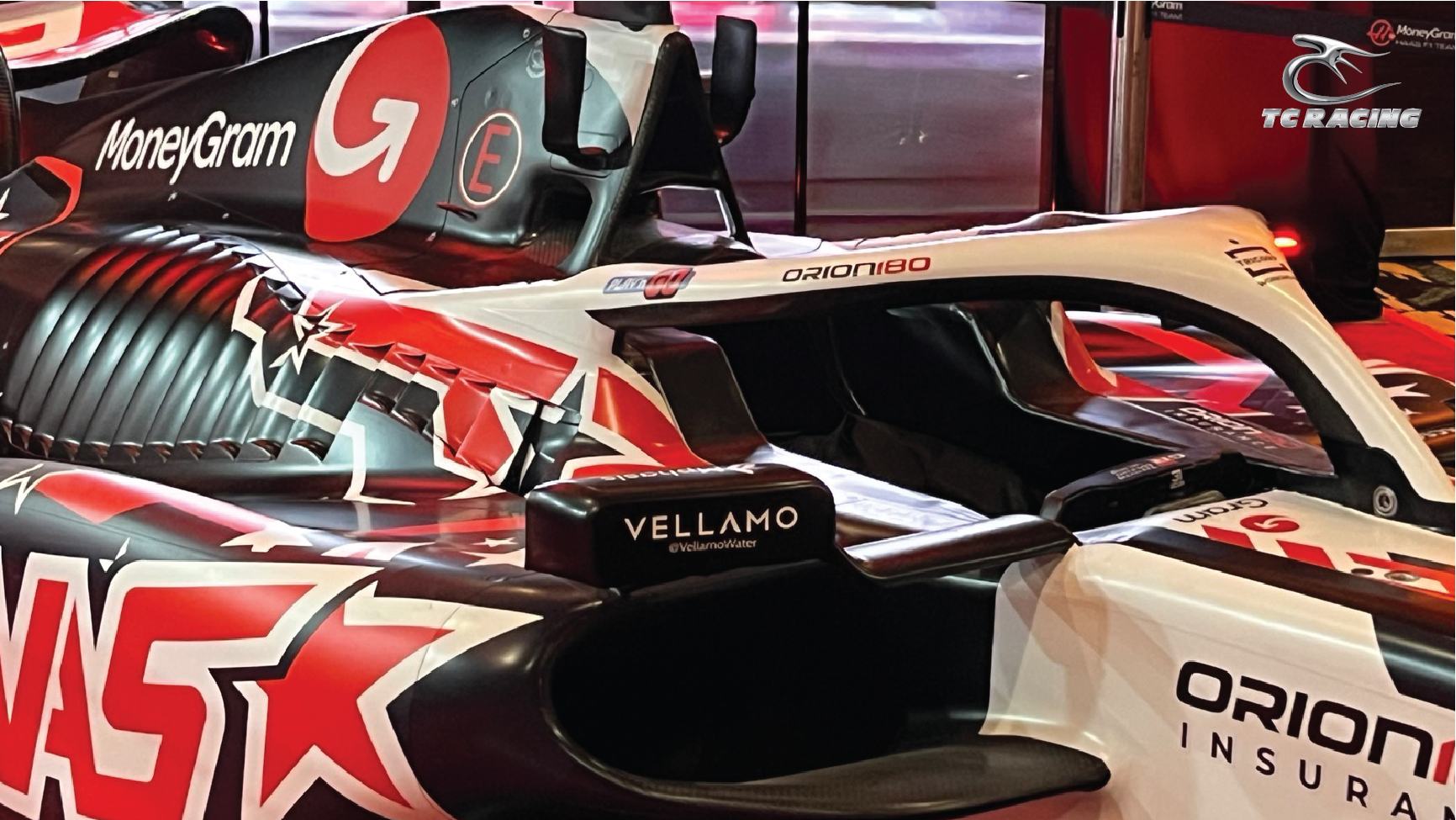
The F1® Halo: The “Ugly” Safety Device That Saved the Day (And a Whole Lot of Drivers)
What Is the Halo? You ever look at a Formula 1® car and think, “Wow, that’s basically a rocket with wheels”? Because it is. And for decades, the driver sat in that rocket with their head sticking out like a hood ornament. Then along came the Halo. The Halo is a cockpit protection device that wraps around the driver’s head. It looks like a wishbone or a very determined roll bar, mounted to the chassis at three points. One pillar in front of the driver, two anchored behind. At first glance, it didn’t exactly win any beauty contests. Drivers complained it ruined the look of the car. Fans said it looked like flip-flops strapped to a spaceship. But here’s the thing. It works. And in racing, that’s what matters.
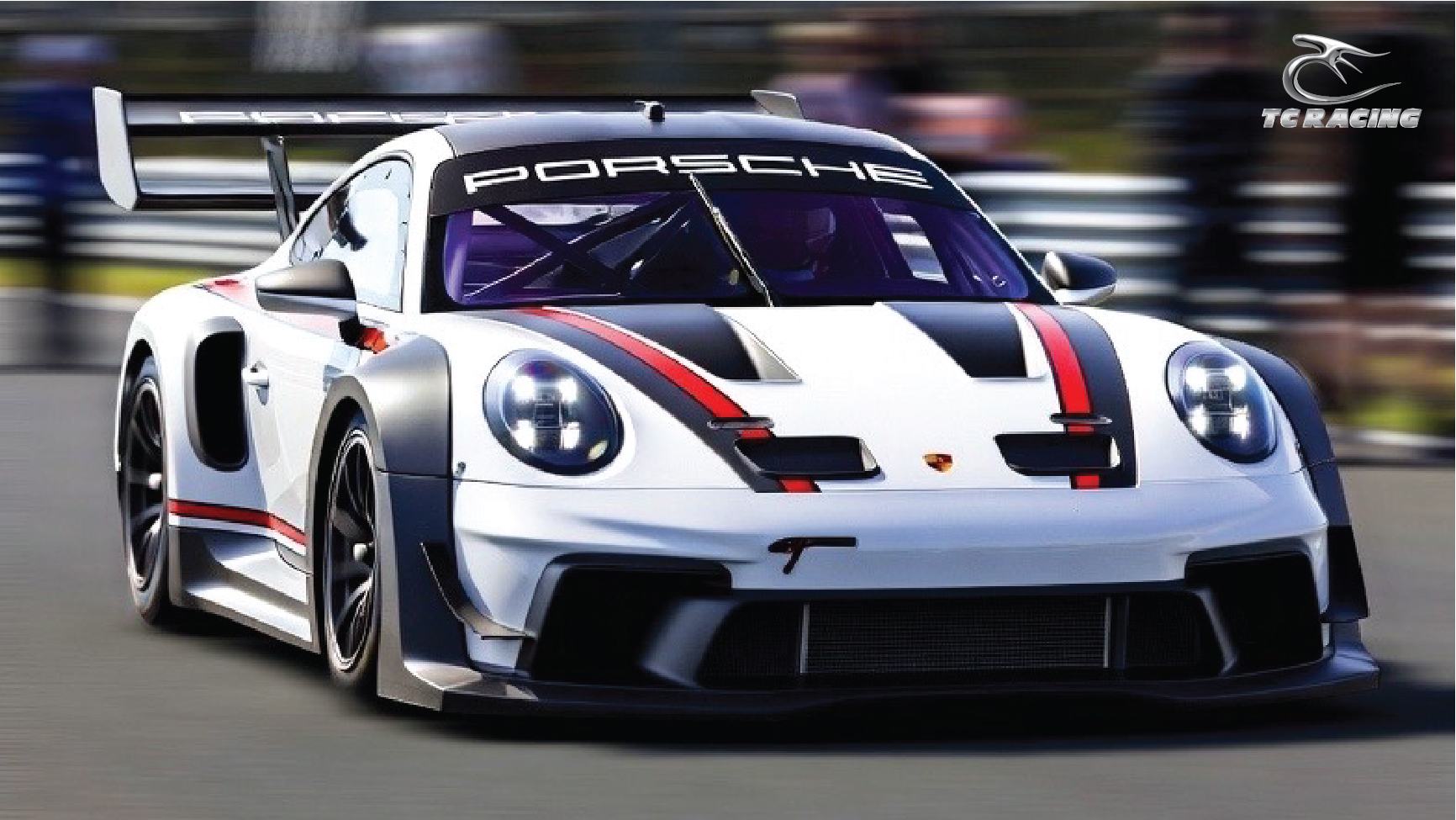
2026 Porsche 911® (992.2) GT3® Cup Car: Sharper, Smarter, Still Brutal
Every so often, a race car comes along that doesn’t try to reinvent the sport, it just refines it until there’s nothing left to hide behind. The 2026 Porsche 911® (992.2) GT3® Cup car is built on that philosophy. It takes a proven platform, sharpens the edges, improves the details, and delivers a machine that puts full responsibility back on the driver. With updates focused on aerodynamics, drivability, and consistency, this car continues to define what one-make racing is supposed to be.
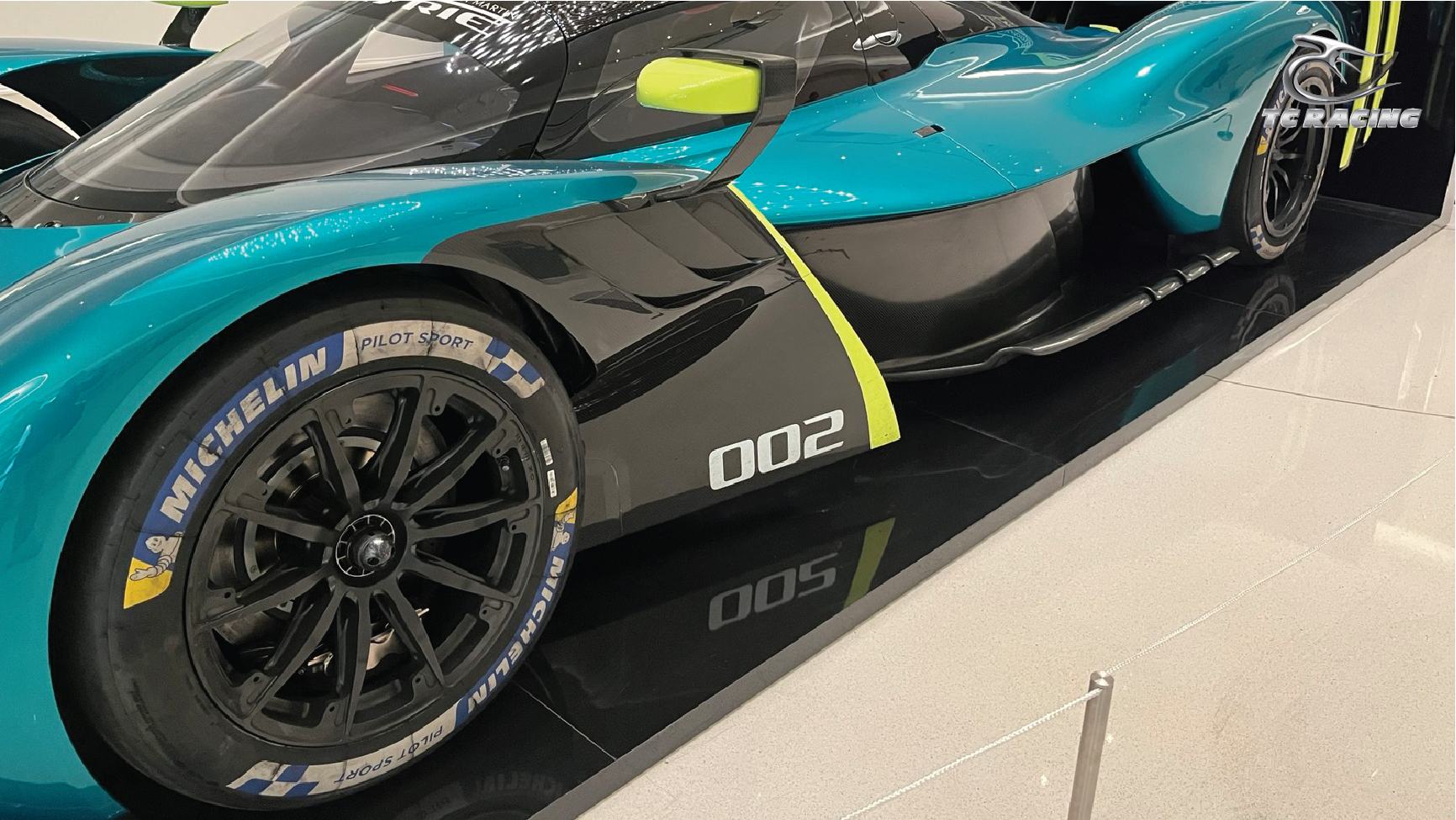
Tire Pressure: The Invisible Force Behind Motorsport Performance
In professional motorsports, speed is often associated with horsepower, aerodynamics, and driver skill. Yet one of the most critical and closely managed variables lies where the car meets the track: tire pressure. Across elite racing series like Formula One®, IMSA® WeatherTech® SportsCar Championship (GTD Pro and LMP classes), and IndyCar® Series, tire pressure is a constantly evolving factor that can determine race outcomes. This article explores why tire pressure is so critical, how it varies across racing classes, and the environmental and regulatory factors teams must continuously manage.
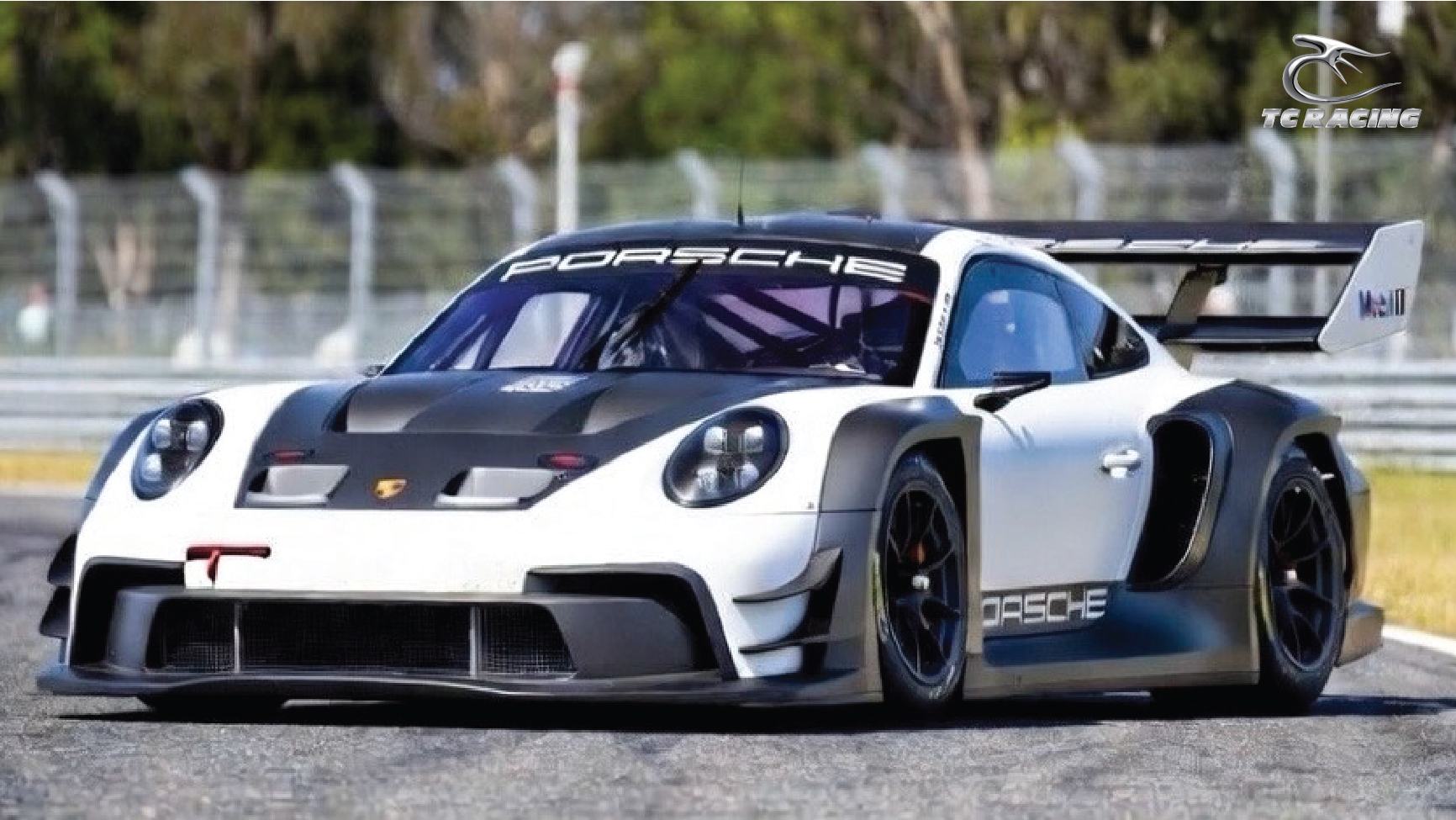
2026 Porsche Carrera® Cup North America: Where Equal Cars Make Great Drivers
There’s a certain kind of racing that strips everything down to the essentials. No gimmicks, no technological loopholes, no engineering arms race where one team disappears into a lab and comes back two seconds faster. Just a car, a driver, and a stopwatch. That’s what the 2026 Porsche Carrera® Cup North America delivers. Built around identical machinery from Porsche®, this championship puts talent front and center. With the latest 911 GT3® Cup car, a demanding multi-track schedule, and a competitive grid, the series continues to represent one of the purest forms of racing available today.