Formula One® at a Crossroads: 2026, Electrification, and the Questions Surrounding the Sport
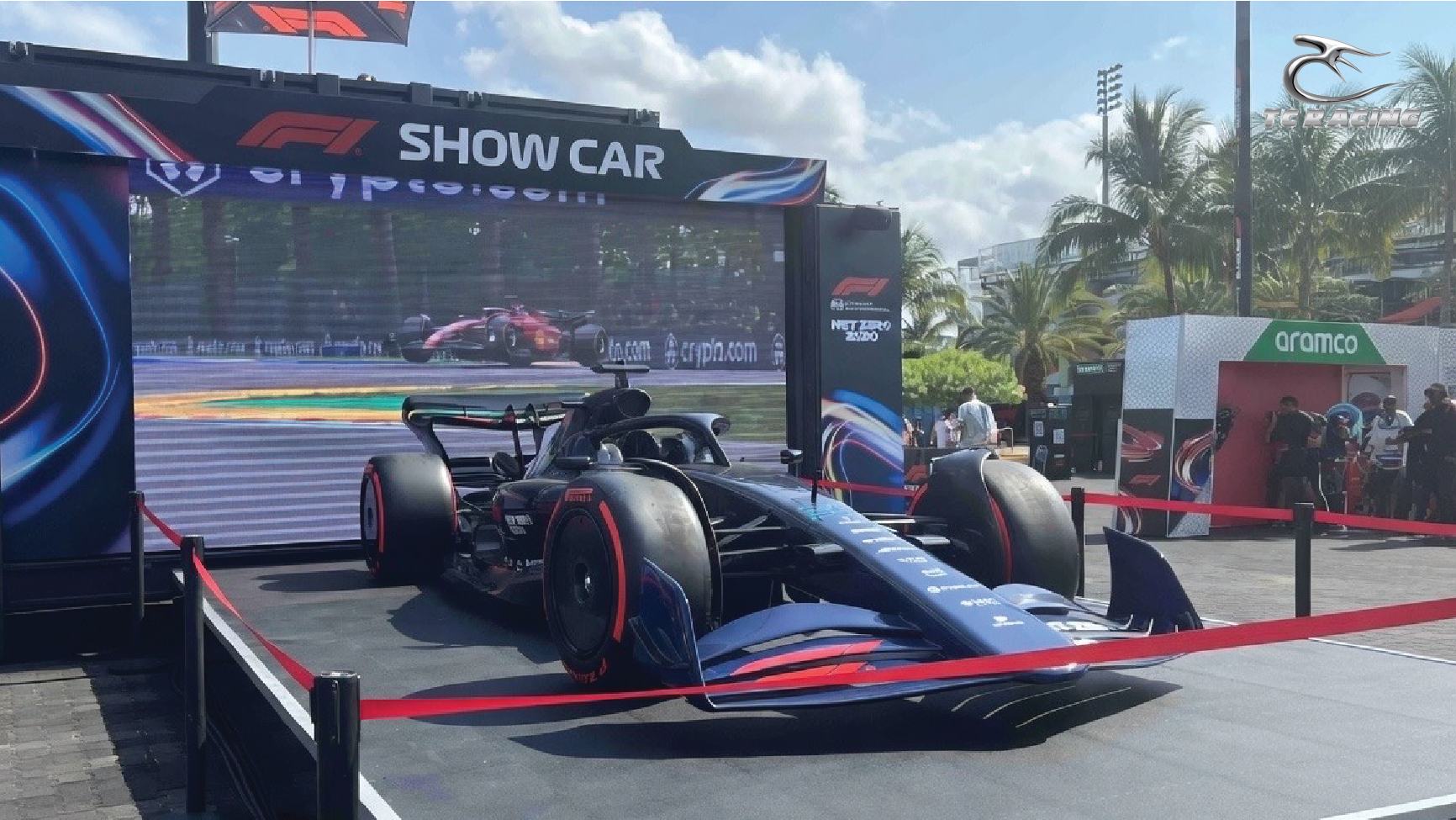
The 2026 Regulations: A New Balance of Power
The 2026 Formula One® regulations introduce a significant shift in how power is generated and delivered. The new power units are expected to rely on an even split between internal combustion and electric energy, increasing the role of battery deployment during races. With the removal of the MGU-H system and a greater reliance on sustainable fuels, the sport is moving toward a cleaner and more road-relevant future. From an engineering standpoint, this represents a major advancement, but it also introduces new challenges in how cars behave on track, particularly in terms of energy management and consistency of power delivery.
The Safety Debate: What Drivers Are Saying
As the sport evolves, safety remains a central concern, especially when new technologies are introduced. Drivers have begun to openly discuss how increased electrification could impact not just performance, but also safety and race dynamics.
Fernando Alonso has expressed concerns about how the new systems may affect racing quality and control, noting that energy deployment could lead to unpredictable behavior on straights and during overtaking. In discussions about future regulations, Alonso has suggested that if cars rely too heavily on battery output, it could create uneven racing conditions and potentially compromise driver confidence in high-speed situations, "the fast corners have become charging stations".
Similarly, Lando Norris has raised questions about drivability and consistency. Norris has pointed out that managing energy deployment while maintaining competitive pace could introduce additional complexity for drivers, particularly in wheel-to-wheel racing scenarios. He has emphasized that while innovation is important, it should not come at the cost of making the cars harder to race safely and predictably. "Honestly some of the racing, I didn't even want to overtake Lewis. It's just that my battery deploys, I don't it to deploy, but I can't control it. So, I overtake him, and then I have no battery left, so he just flies past. This is not racing, this is yo-yoing. Even though he(Hamilton) says it's not, it is yo-yoing."
These perspectives highlight a broader concern within the paddock. It is not necessarily the presence of electric technology that raises concern, but how it is integrated into the racing environment.
Progress vs Identity: The Ongoing Tension
The debate surrounding the 2026 regulations reflects a deeper question about what Formula One should represent. On one hand, the sport must evolve to remain relevant in a world increasingly focused on sustainability and technological advancement. On the other, it must preserve the elements that define its identity, including driver control, engine character, and the raw intensity of competition.
For many fans and drivers, the concern is not that Formula One is changing, but that it could change too far, too quickly. The sound of the engines, the predictability of power delivery, and the connection between driver and machine are all part of what makes the sport unique. Balancing these factors with modern expectations is one of the biggest challenges facing Formula One today.
Why Isn’t F1® Racing in April?
The absence of races in certain parts of the calendar, including occasional gaps in April, is largely due to the complexity of organizing a global championship. Formula One operates across multiple continents, requiring extensive logistical coordination to move teams, equipment, and personnel between events. Weather conditions, regional considerations, and the need to manage the workload of teams all play a role in shaping the schedule. As a result, some months may feature fewer races depending on how the calendar is structured in a given season. Rather than a fixed pattern, the schedule is constantly adjusted to accommodate the evolving demands of the sport.
Fan Engagement: Growth with Caution
Formula One has experienced notable growth in recent years, particularly in new markets such as the United States. Increased media exposure and digital content have helped attract a younger and more diverse audience. However, this growth has been accompanied by concerns from long-time fans who question whether the sport is moving too far from its traditional roots.
While overall viewership remains strong and continues to grow globally, there is a shift in how fans engage with the sport. Some appreciate the technological advancements and broader accessibility, while others remain focused on preserving the core elements that made Formula One iconic. This balance between attracting new fans and maintaining existing ones is an ongoing challenge.
The Verstappen Question
As one of the defining drivers of the current era, Max Verstappen remains central to discussions about the sport’s future. Despite speculation about his long-term plans, Verstappen continues to compete at the highest level and has not indicated any immediate departure from Formula One. However, his comments about the demanding schedule and interest in other racing disciplines have fueled ongoing conversations about how long he may remain in the sport. For now, he remains a dominant force, representing both the present and the evolving future of Formula One.
The Bigger Picture: A Sport in Transition
Formula One has always adapted to change, whether through advancements in safety, engineering, or competition formats. The 2026 regulations represent another step in that evolution, bringing new opportunities as well as new challenges. The key question is whether the sport can integrate these changes while maintaining the qualities that define it.
Driver feedback, including insights from experienced competitors like Fernando Alonso and younger voices such as Lando Norris, will play a crucial role in shaping how these regulations are implemented. Their perspectives offer valuable insight into how the balance between technology and racing can be maintained.
Evolving?
Formula One is not slowing down, but it is evolving. The move toward greater electrification reflects broader changes in the automotive industry, while the concerns raised by drivers highlight the importance of preserving safety and racing quality. As the sport moves toward 2026, the challenge will be finding the right balance between innovation and tradition. With drivers like Max Verstappen still at the forefront, Formula One remains as competitive and compelling as ever, even as it navigates one of the most significant transitions in its history.
Formula One®, F1® are trademarks owned by Formula One Licensing B.V. (BESLOTEN VENNOOTSCHAP (B.V.); NETHERLANDS). All trademarked names or other marks mentioned are for reference purposes only.