The F1® Halo: The “Ugly” Safety Device That Saved the Day (And a Whole Lot of Drivers)
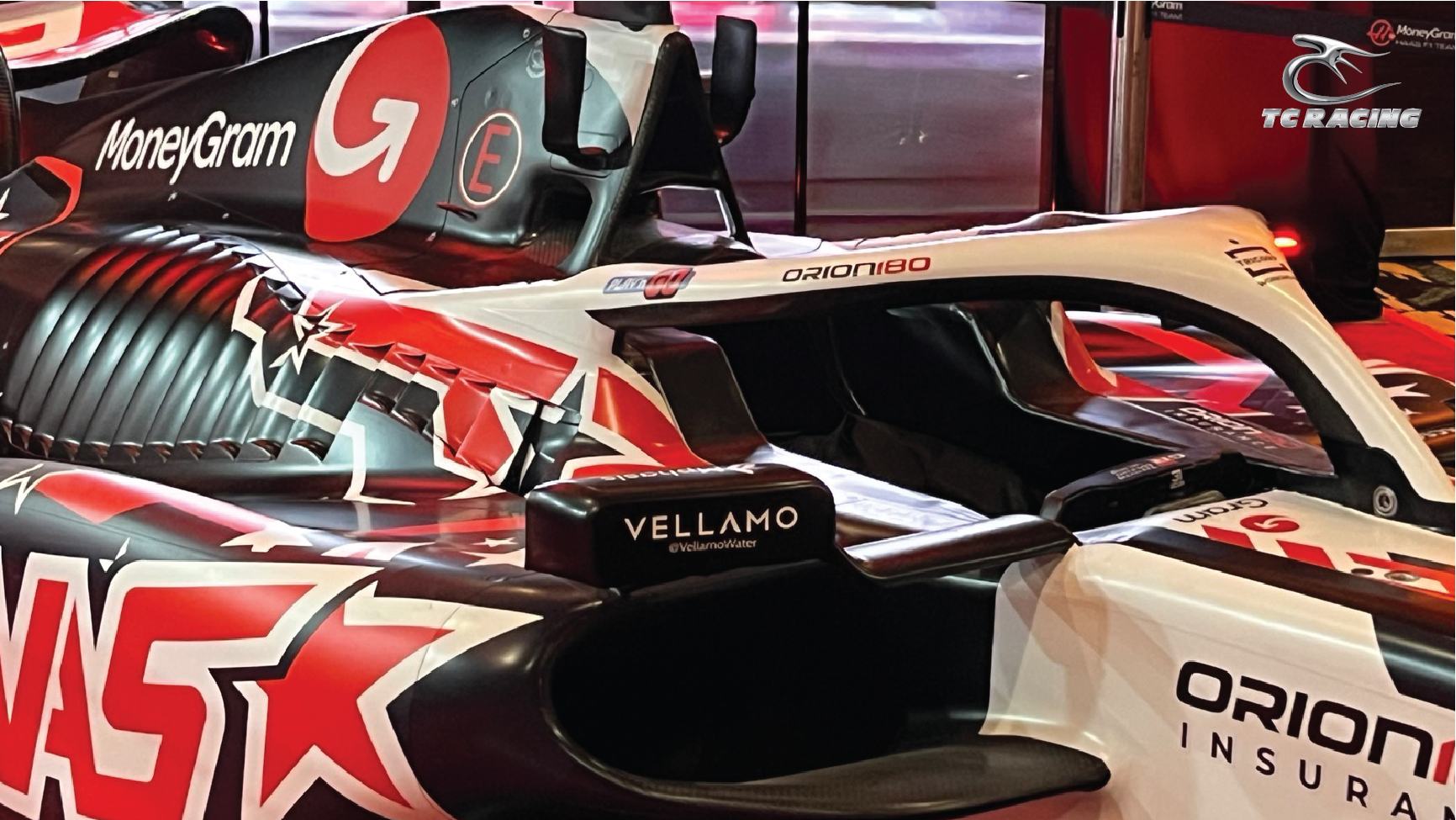
When Was the Halo Introduced and Made Mandatory?
The Halo didn’t just appear overnight. Like most safety innovations in motorsport, it took years of testing, debate, and a fair amount of resistance.
Timeline Highlights:
- 2015–2016 – Early concepts tested by the Fédération Internationale de l'Automobile
- 2017 – Extensive track testing across multiple teams
- 2018 – Officially mandated in Formula One® and all FIA Formula categories
Once the FIA made the call, that was it. No optional use, no “we’ll try it next season.” Every team, every car, every race.
And honestly, it didn’t take long before people stopped complaining and started appreciating.
What Is the Halo Made Of?
This isn’t some lightweight piece of decorative metal. The Halo is built like it expects a fight.
- Material: Aerospace-grade titanium
- Weight: Roughly 7 kg (about 15 pounds)
- Strength Requirement: Must withstand forces of up to 125 kN (that’s like a London bus parked on top of it)
Each Halo is manufactured by approved suppliers and then integrated into the car’s survival cell. It’s not just bolted on. It’s part of the structure, like the bones in your body.
And here’s the kicker. Teams can’t modify its shape. Safety over style, no exceptions.
How the Halo Protects Drivers
Let’s break this down without turning it into a physics lecture.
When something goes wrong in an open-wheel car, it usually goes very wrong. Debris, tires, barriers, even other cars can come flying toward the cockpit.
The Halo protects against three major threats:
1. Flying Debris
Think wheels, suspension parts, or anything else that decides to go airborne.
The Halo acts like a shield, deflecting objects away from the driver’s head. Instead of taking a direct hit, the impact is redirected around the cockpit.
2. Car-to-Car Contact
In open-wheel racing, cars can climb over each other. It’s not intentional, but it happens.
The Halo prevents another car from making direct contact with the driver’s helmet. It essentially creates a protective buffer zone.
3. Barrier and Ground Impacts
In certain crashes, the car can slide into barriers at awkward angles or even flip.
The Halo helps keep the driver’s head from striking walls, fences, or the track surface. It works alongside the roll hoop and survival cell to maintain a protective space.
In simple terms, it’s a guardrail for your head.
Real-World Saves: When the Halo Proved Itself
Now here’s where the Halo went from “controversial” to “absolutely essential.”
Notable Incidents:
-
Romain Grosjean – Bahrain 2020 A high-speed crash split the car in half and burst into flames. The Halo protected his head from the barrier and allowed him to survive what could have been fatal.
-
Lewis Hamilton – Monza 2021 Another car landed on top of Hamilton’s Mercedes. The Halo took the load instead of his helmet.
-
Charles Leclerc – Spa 2018 A car flew over his cockpit at the start. The Halo deflected the impact.
Before 2018, those incidents might have had very different outcomes.
What Other Racing Series Use the Halo?
The Halo didn’t stay exclusive to Formula 1® for long.
Series Using Halo or Halo-Based Systems:
- Formula 1
- Formula 2 and Formula 3
- Formula E (with additional aeroscreen elements)
- IndyCar® (uses a hybrid system combining Halo + aeroscreen)
- Various regional and junior open-wheel categories
IndyCar took it a step further by adding a transparent screen on top of the Halo structure. Think of it as a windshield for a rocket ship.
The concept is spreading, because the results speak for themselves.
Why Drivers Hated It at First (And Why They Don’t Now)
When the Halo was first introduced, drivers had a laundry list of complaints:
- “It ruins visibility”
- “It looks terrible”
- “It changes the DNA of F1®”
And to be fair, it did change the look.
But here’s what happened. Drivers adapted. Visibility concerns faded. And after seeing real crashes where the Halo made the difference, opinions shifted fast.
Today, most drivers won’t even consider racing without it.
Funny how that works.
The Engineering Behind the Scenes
What makes the Halo impressive isn’t just what it does. It’s how it integrates into the car.
- It connects directly to the survival cell, the strongest part of the chassis
- It’s tested under extreme loads, including side and vertical impacts
- It must not obstruct driver extraction during emergencies
Engineers had to balance strength, weight, aerodynamics, and visibility. Not exactly a simple weekend project.
And yet, they pulled it off.
The Finish
The Halo is one of those innovations that didn’t win fans with style, but earned respect with results.
It’s not flashy. It doesn’t make the car faster. And it definitely didn’t look right at first.
But it saves lives.
And in a sport where pushing limits is the whole point, having something that pushes back against danger is a pretty good idea.
So yeah, it might not be the prettiest thing on a Formula 1 car.
But neither is a tow truck.
And given the choice, every driver would rather have the Halo.
Formula One®, Formula 1®, F1® are trademarks owned by Formula One Licensing B.V. (BESLOTEN VENNOOTSCHAP (B.V.); NETHERLANDS); Indycar® trademark is owned by BRICKYARD TRADEMARKS, INC. (CORPORATION; NEVADA, USA). All trademarked names or other marks mentioned are for reference purposes only.