2026 Porsche Carrera® Cup North America: Where Equal Cars Make Great Drivers
The Season at a Glance
You ever watch a race and wonder who actually earned it? Not who had the better data strategy or the newest upgrade package, but who just drove better from start to finish. That’s the idea behind this championship. The 2026 season runs across eight rounds, typically aligned with major race weekends alongside the IMSA® WeatherTech® SportsCar Championship. Each round features two sprint races, meaning drivers must perform not once, but repeatedly, under pressure and with very little room for error. It’s a format that rewards consistency just as much as outright speed.
The 2026 Schedule and Tracks
The season begins at Sebring International Raceway®, a circuit known for its uneven surface and punishing layout that tests both car setup and driver endurance. From there, the series moves to the Long Beach street circuit, where tight corners and unforgiving barriers demand precision. Miami follows with a high-profile setting that brings added attention and pressure. As the calendar progresses, Watkins Glen introduces high-speed technical sections, while Road America challenges drivers with long straights and heavy braking zones. Later rounds at Indianapolis Motor Speedway and Road Atlanta add layers of history and technical complexity, before the season concludes at Circuit of the Americas, a track that combines elevation changes, long straights, and intricate corner sequences. Each venue presents a different challenge, requiring drivers to adapt continuously throughout the year.
The Car: Same Tools, Different Talent
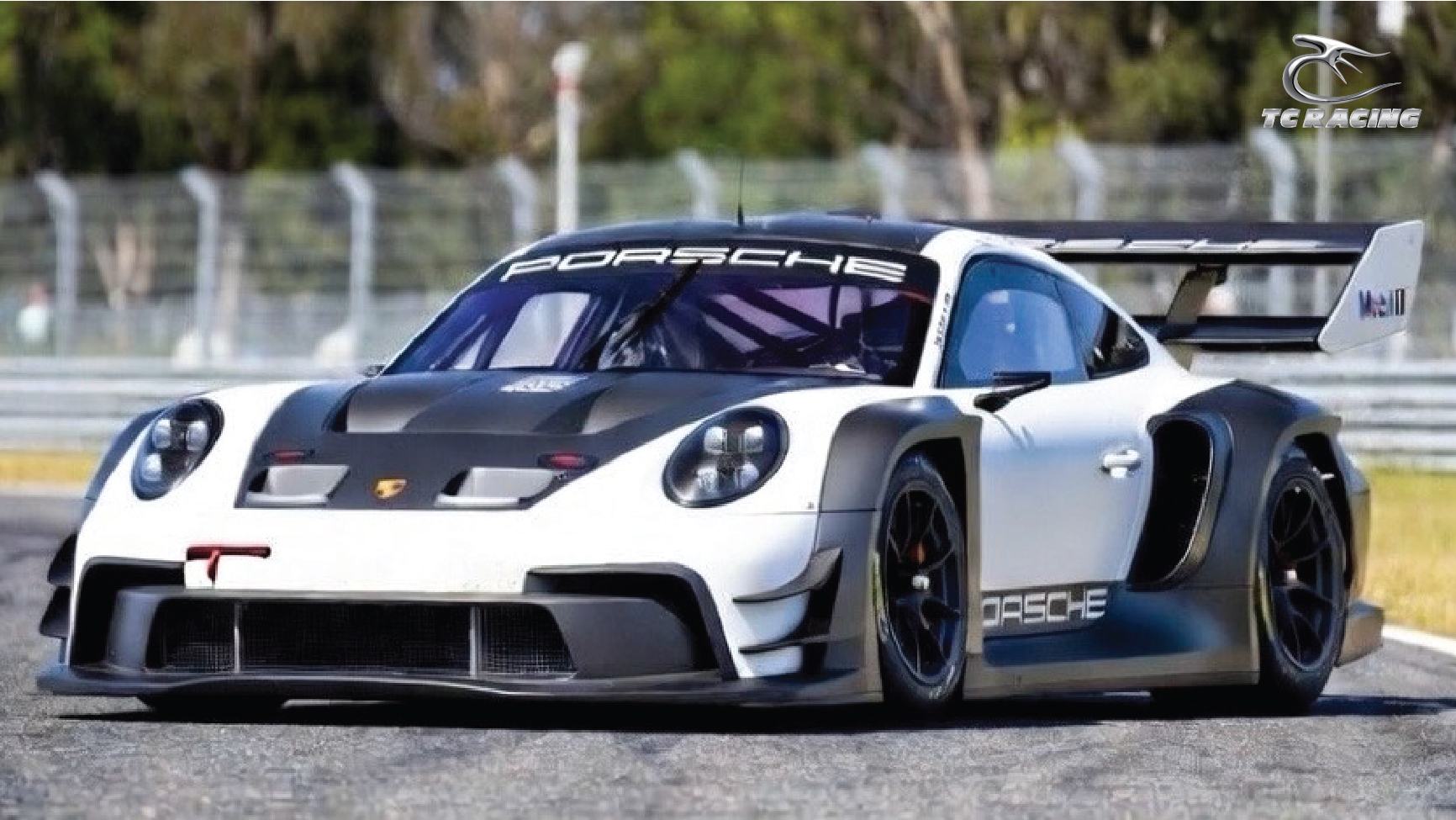
At the center of the series is the Porsche 911® GT3® Cup car, based on the 992 platform. Every driver competes in essentially identical machinery, eliminating the possibility of technical advantages. The car is powered by a naturally aspirated 4.0-liter flat-six engine producing just over 500 horsepower, delivering linear power and immediate throttle response. Without turbocharging or hybrid systems, the driving experience is direct and mechanical, requiring precision and control. Power is sent to the rear wheels through a six-speed sequential gearbox, and the car’s weight, just under 1,300 kilograms, provides a balance of stability and agility. Aerodynamics are carefully tuned to generate meaningful downforce while maintaining efficiency, ensuring the car performs consistently across different track conditions.
One-Make Racing: No Excuses
One-make racing removes variables that often define other forms of motorsport. With every competitor using the same car, the focus shifts entirely to the driver and the team’s ability to prepare and execute. There are no advantages gained through engine development, aerodynamic innovation, or budget differences. Success is determined by how well a driver can manage braking points, corner entry, throttle application, and racecraft under pressure. This creates an environment where performance is transparent, and results reflect skill rather than circumstance.
Who’s Racing? Pros, Amateurs, and Everyone in Between
The Carrera Cup grid is a mix of talent levels, bringing together emerging professionals, experienced racers, and dedicated enthusiasts. As a customer racing series, participants purchase and operate their own cars, supported by Porsche®’s infrastructure and technical guidance. Drivers are typically grouped into classes such as Pro, Pro-Am, and Masters, allowing competitors to race within their own categories while sharing the track. This structure creates multiple battles within a single race, where drivers pursue both overall positions and class victories, adding depth and complexity to the competition.
Race Weekend: Short, Sharp, and Unforgiving
A typical race weekend in the Carrera Cup is structured to maximize intensity. Practice sessions allow teams to fine-tune setups, followed by qualifying sessions that determine starting positions. The main events are two sprint races, each lasting around 40 minutes. This format leaves little room for recovery from mistakes. A poor qualifying result places a driver in heavy traffic, where overtaking becomes more difficult and risks increase. Every lap matters, and drivers must maintain focus from the start to the finish, as there are no extended stints or long-term strategies to rely on.
Grid Size and Competition
The championship typically features a grid of 30 to 40 cars, creating a dense and competitive racing environment. With so many drivers on track, there is constant interaction, whether defending position, attempting overtakes, or navigating traffic. The equal performance of the cars amplifies the importance of decision-making, as even small errors can lead to significant position changes. This level of competition ensures that races remain unpredictable and engaging from start to finish.
Porsche’s Philosophy: Racing for the Driver
Porsche has built its motorsport identity around the concept of customer racing, providing drivers with the tools and support needed to compete at a high level. The Carrera Cup embodies this philosophy by emphasizing driver performance over technological advantage. Porsche’s approach focuses on creating an environment where skill, discipline, and preparation determine success. By maintaining equal machinery and offering structured support, the series allows drivers to develop their abilities while competing in a professional setting.
The Tracks: A Full Spectrum Challenge
The variety of tracks on the calendar ensures that drivers face a comprehensive set of challenges throughout the season. Sebring’s rough surface tests durability and control, while Long Beach’s street layout demands precision. Miami introduces a high-profile atmosphere, and Watkins Glen rewards commitment and rhythm. Road America emphasizes speed and braking, while Indianapolis requires precision on a historic stage. Road Atlanta combines technical sections with high-speed corners, and Circuit of the Americas provides a modern, complex layout that tests every aspect of a driver’s skill. Together, these tracks create a season that demands adaptability and consistency.
More Than Just a Series
The Porsche Carrera® Cup North America is more than a championship. It is a development platform that prepares drivers for higher levels of competition. By focusing on consistency, racecraft, and mechanical understanding, the series builds a foundation that extends beyond individual races. Drivers leave the championship with a deeper understanding of both themselves and the cars they compete in, making it a crucial step in many racing careers.
The Essence of Motorsports
There is something refreshing about a racing series where the outcome is determined by the simplest factor: who drove better. The 2026 Porsche Carrera Cup North America captures that idea perfectly. With identical cars, demanding tracks, and a competitive field, the series highlights the essence of motorsport. It is a reminder that, even in an era of advanced technology, the most important element in racing is still the driver behind the wheel.
IMSA® trademark is owned by International Motor Sports Association, LLC (LIMITED LIABILITY COMPANY; FLORIDA, USA); WeatherTech® trademark is owned by MacNeil IP, 1 MacNeil Court Bolingbrook ILLINOIS 60440; Sebring International Raceway® trademark is owned by Sebring International Raceway, LLC. (LIMITED LIABILITY COMPANY; FLORIDA, USA); Porsche 911®, GT3®, Porsche®, Porsche Carrera® are trademarks owned by Dr. Ing. h.c.F. Porsche AG. All trademarked names or other marks mentioned are for reference purposes only.