The Porsche® “Pink Pig”: Racing’s Most Unforgettable Livery
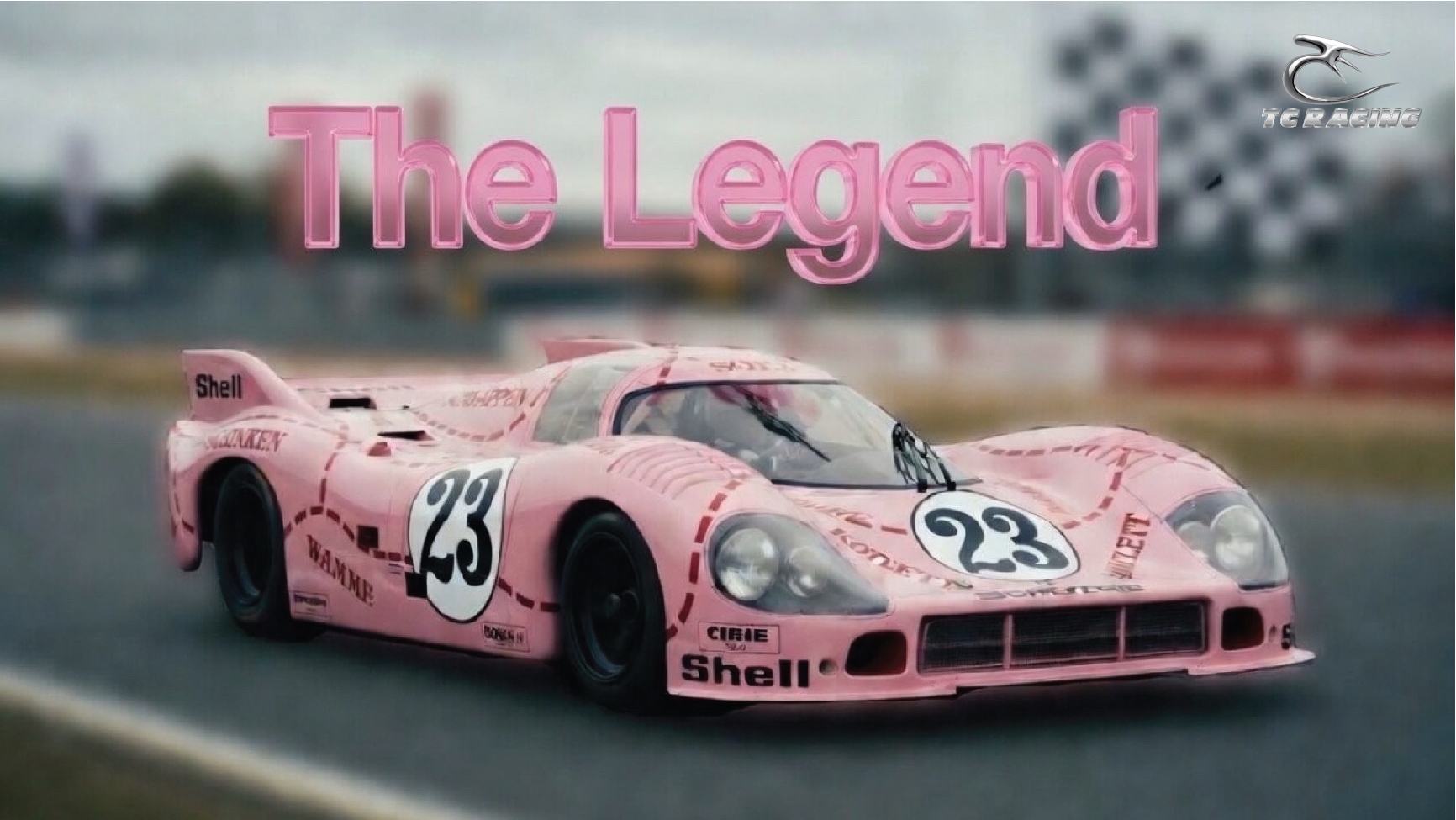
A Bold Experiment in Engineering
In the early 1970s, Porsche® was already establishing dominance in endurance racing with the 917 platform, yet innovation never slowed. Engineers continued pushing boundaries, searching for aerodynamic advantages that could provide an edge at high-speed circuits like Le Mans. The Porsche 917/20 emerged from this mindset as a bold experiment, blending characteristics of previous 917 models with new aerodynamic concepts. Developed in collaboration with the French research firm SERA, the car featured a wider body, smoother lines, and an emphasis on reducing drag while maintaining stability. Its shape was unconventional, but every curve served a purpose rooted in performance.
The Livery That Changed Everything
Rather than disguising the car’s unusual proportions, Porsche embraced them. The 917/20’s rounded body resembled a pig, and instead of ignoring the comparison, the team leaned fully into it. The car was painted in a vivid pink and decorated with butcher-style diagram markings, labeling sections of the body as if it were a cut of meat. Words like “ham,” “shoulder,” and “ribs” were displayed across the surface in German, turning the car into a rolling piece of visual humor. At a time when racing liveries were typically reserved and sponsor-focused, this playful approach stood out immediately, capturing attention both on and off the track.
The 1971 Le Mans Entry
The Pink Pig made its debut at the 24 Hours of Le Mans in 1971, one of the most prestigious and demanding endurance races in the world. The car was driven by Reinhold Joest and Willi Kauhsen, both experienced competitors capable of handling the demands of such a unique machine. While the car’s appearance drew widespread attention, its purpose was serious. It served as a testbed for aerodynamic ideas that could influence future race car development.
Performance and Race Outcome
During the race, the Pink Pig demonstrated promising speed and stability, showing that its unconventional design was more than just a visual novelty. It held competitive pace among the field of high-performance prototypes and validated aspects of its aerodynamic concept. However, its race was cut short due to an accident, preventing it from completing the full 24-hour distance. As a result, the car did not secure a podium finish, and its official race record remains limited to that single entry at Le Mans in 1971. Despite this, its performance was enough to leave a lasting impression.
Why the Pink Pig Became Iconic
Most race cars achieve recognition through victories and championships, but the Pink Pig’s legacy was built differently. Its bold appearance, combined with Porsche’s willingness to embrace humor in a highly competitive environment, made it unforgettable. The car challenged the traditional image of race machines, proving that innovation could extend beyond engineering into presentation. Even without a podium result, it became one of the most recognizable race cars in history, demonstrating that impact is not always measured by trophies.
Drivers Behind the Wheel
The drivers of the Pink Pig, Reinhold Joest and Willi Kauhsen, played a crucial role in bringing the car’s capabilities to life. Both were seasoned racers who understood the demands of endurance competition and the importance of adapting to a car’s unique characteristics. Their feedback helped validate the engineering concepts behind the 917/20, even as the race ended prematurely. Their involvement adds credibility to the project, reinforcing that the Pink Pig was not just a novelty, but a serious racing effort.
The Design: Function Meets Personality
The 917/20’s design reflected a careful balance between innovation and practicality. Its wide stance improved stability, while its smooth, flowing bodywork reduced aerodynamic drag on long straights. These features were critical for a circuit like Le Mans, where top speed and efficiency play a major role in overall performance. While its shape contributed to its nickname, it also represented a forward-thinking approach to race car design. The Pink Pig was as much a technical experiment as it was a visual statement.
Legacy and Modern Tributes
The legacy of the Pink Pig has extended far beyond its single race appearance. Over the years, Porsche has revisited the livery in tribute form, applying the iconic design to modern race cars such as the 911 RSR. These tributes have introduced the Pink Pig to new generations of fans, ensuring that its story remains relevant within the evolving world of motorsport. Its continued presence in modern racing highlights the enduring appeal of its design and the impact it has had on automotive culture.
More Than a Race Car
The Pink Pig represents more than just a moment in racing history. It symbolizes creativity, risk-taking, and the willingness to challenge convention. In a sport often defined by precision and seriousness, it introduced an element of personality that resonated with fans and competitors alike. It serves as a reminder that innovation can take many forms, and that sometimes the most memorable achievements come from thinking differently.
Still a Legend
The Porsche 917/20 “Pink Pig” may not have a record filled with podium finishes, but its place in motorsport history is secure. Its appearance at the 24 Hours of Le Mans in 1971, driven by Reinhold Joest and Willi Kauhsen, demonstrated both innovation and individuality. While its race ended early, its influence has endured for decades. The Pink Pig remains a symbol of Porsche’s willingness to push boundaries, both technically and creatively, proving that sometimes the cars we remember most are not the ones that win, but the ones that leave a lasting impression.
Porsche® trademark is owned by Dr. Ing. h.c.F. Porsche AG. All trademarked names or other marks mentioned are for reference purposes only.