Steve McQueen: The King of Cool and the Pursuit of Speed
More Than an Actor
Steve McQueen did not treat racing as a casual pastime or a celebrity indulgence. He approached it with a seriousness that separated him from others who merely dabbled in motorsport. While his acting career propelled him into global fame, racing provided a different kind of fulfillment. It was a place where reputation meant nothing and performance meant everything. McQueen embraced that challenge, placing himself in competitive environments where he had to earn his position through skill, focus, and determination rather than recognition.
Passion and Competition Intertwined
The question of whether McQueen raced for passion or competition is best answered by understanding that the two were inseparable in his case. He was driven by a genuine love for the sport, but he also refused to participate without competing at a high level. This balance defined his racing philosophy. He entered events not to simply be present, but to test himself against experienced drivers and demanding conditions. His willingness to push beyond comfort, while maintaining control and awareness, reflected a mindset that blended enthusiasm with professionalism.
The Porsche® Connection
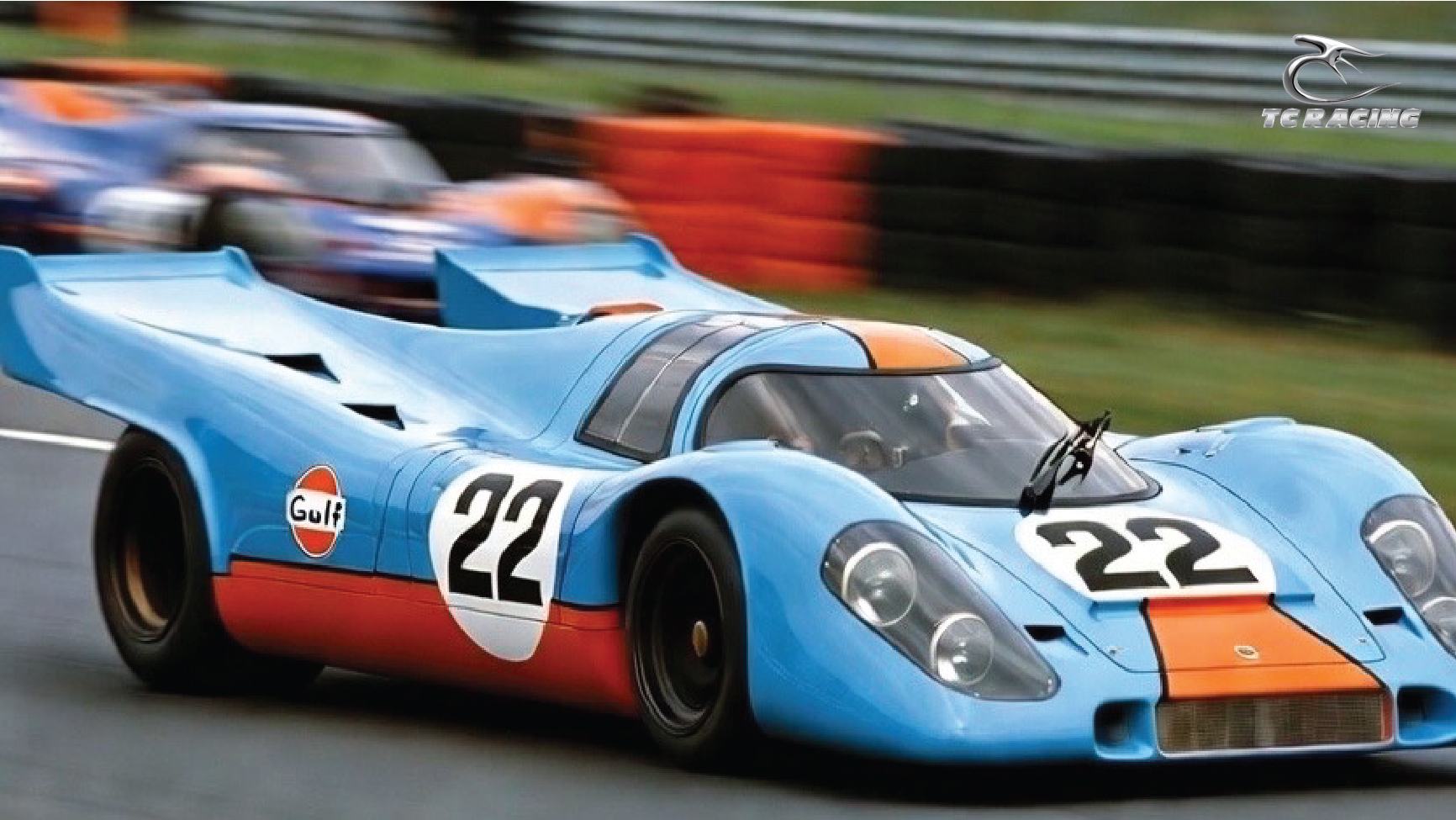
A central element of McQueen’s racing career was his relationship with Porsche. He drove the Porsche 908/02, a sophisticated and lightweight prototype that required both precision and confidence. This was not a symbolic role or a marketing partnership. McQueen earned his place behind the wheel through demonstrated ability. His connection to Porsche extended into his film work, particularly with the Porsche 917 featured prominently in Le Mans, reinforcing his deep connection to endurance racing culture.
The Sebring Podium That Defined His Career
The defining moment of McQueen’s racing journey came at the 1970 12 Hours of Sebring, where he co-drove a Porsche 908/02 alongside Peter Revson to a remarkable second-place overall finish. This achievement stands out not only because of the result, but because of the conditions under which it was accomplished. McQueen competed against elite professional drivers while recovering from a broken foot, demonstrating both physical resilience and mental toughness. Driving a Porsche prototype known for its balance and agility, he maintained competitive pace and consistency over the full 12-hour race. This performance was not symbolic or ceremonial. It was a legitimate podium result achieved in one of endurance racing’s most demanding environments.
Beyond Sebring: A Broader Racing Journey
Although Sebring remains his most iconic result, McQueen’s involvement in motorsport extended across multiple disciplines. He was deeply engaged in off-road motorcycle racing, including participation in events like the Baja 1000, often riding machines from manufacturers such as Husqvarna. He also competed in various sports car and club racing events, frequently driving Porsche machinery in SCCA® competition. These efforts may not have produced a long list of podium finishes, but they reinforced his commitment to racing and his willingness to engage with the sport in its many forms.
Podiums and Their Significance
McQueen’s racing résumé is not defined by volume, but by the significance of his accomplishments. His most notable podium remains his 2nd place finish at Sebring in a Porsche 908/02, representing one of the most respected results achieved by a non-professional driver. While additional documented podium finishes are limited, his consistent competitiveness in Porsche-backed entries and privateer efforts added to his credibility. The Sebring result carries weight because it demonstrated his ability to perform at an elite level against factory teams and seasoned professionals, all while managing physical limitations and the demands of endurance racing.
Influence Through Film
McQueen’s contribution to motorsport culture extends beyond competition through his work on Le Mans. The film is widely regarded as one of the most authentic portrayals of racing ever produced. By prioritizing realism over dramatization, McQueen captured the intensity and complexity of endurance racing in a way that resonated with both enthusiasts and general audiences. His use of real race cars, including the Porsche 917, further strengthened the connection between cinema and motorsport authenticity.
Driving Style and Approach
As a driver, McQueen was known for his composed and calculated approach. He demonstrated a strong understanding of vehicle dynamics and mechanical limitations, allowing him to push the car effectively without compromising its performance over time. His experience behind the wheel of Porsche race cars, particularly prototypes, highlighted his ability to balance speed with preservation, a critical skill in endurance racing. His calm demeanor and mechanical awareness made him a respected competitor despite his unconventional path into the sport.
A Lasting Legacy in Motorsport
Steve McQueen’s legacy in racing is defined not by statistics, but by authenticity and impact. His association with Porsche and his performance at Sebring helped legitimize his place in motorsport history. He brought racing into mainstream culture while maintaining credibility within the paddock. His involvement was genuine, his performances were respected, and his influence continues to be felt today.
Reflections
Steve McQueen remains a symbol of individuality and pursuit of excellence. His connection to Porsche, his iconic podium at the 12 Hours of Sebring in a Porsche 908/02, and his cultural impact through Le Mans collectively form a legacy that extends beyond film and into the core of motorsport history. McQueen did not simply participate in racing. He earned his place within it, leaving behind a story defined by passion, resilience, and respect for the craft.
Porsche® trademark is owned by Dr. Ing. h.c.F. Porsche AG; SCCA® trademark is owned by SPORTS CAR CLUB OF AMERICA, INC. (CORPORATION; CONNECTICUT, USA). All trademarked names or other marks mentioned are for reference purposes only.