Carroll Shelby: The Man Who Brought American Muscle to a European Fight
From Driver to Builder: A Shift in Direction
Shelby’s story begins behind the wheel, where he proved his ability as a top-level driver by winning the 24 Hours of Le Mans in 1959. That victory alone would secure a place in racing history for most drivers, but Shelby’s journey was only beginning. Health issues forced him to step away from driving, a moment that could have ended his connection to racing. Instead, it redirected it. Rather than competing on the track, he chose to build machines capable of winning on it. This transition marked the beginning of a new chapter, one where his understanding of racing would be applied to engineering and design.
The Vision: Lightweight Meets Power
Shelby’s approach to racing was rooted in a simple but powerful idea. At a time when European manufacturers like Ferrari® and Jaguar dominated endurance racing with finely balanced, precision-engineered cars, Shelby saw an opportunity to combine that balance with something distinctly American. He envisioned lightweight chassis paired with large-displacement V8 engines, creating a combination of agility and raw power. This philosophy was not about complexity or over-engineering, but about maximizing efficiency and performance through a straightforward, effective design.
The Birth of the Cobra
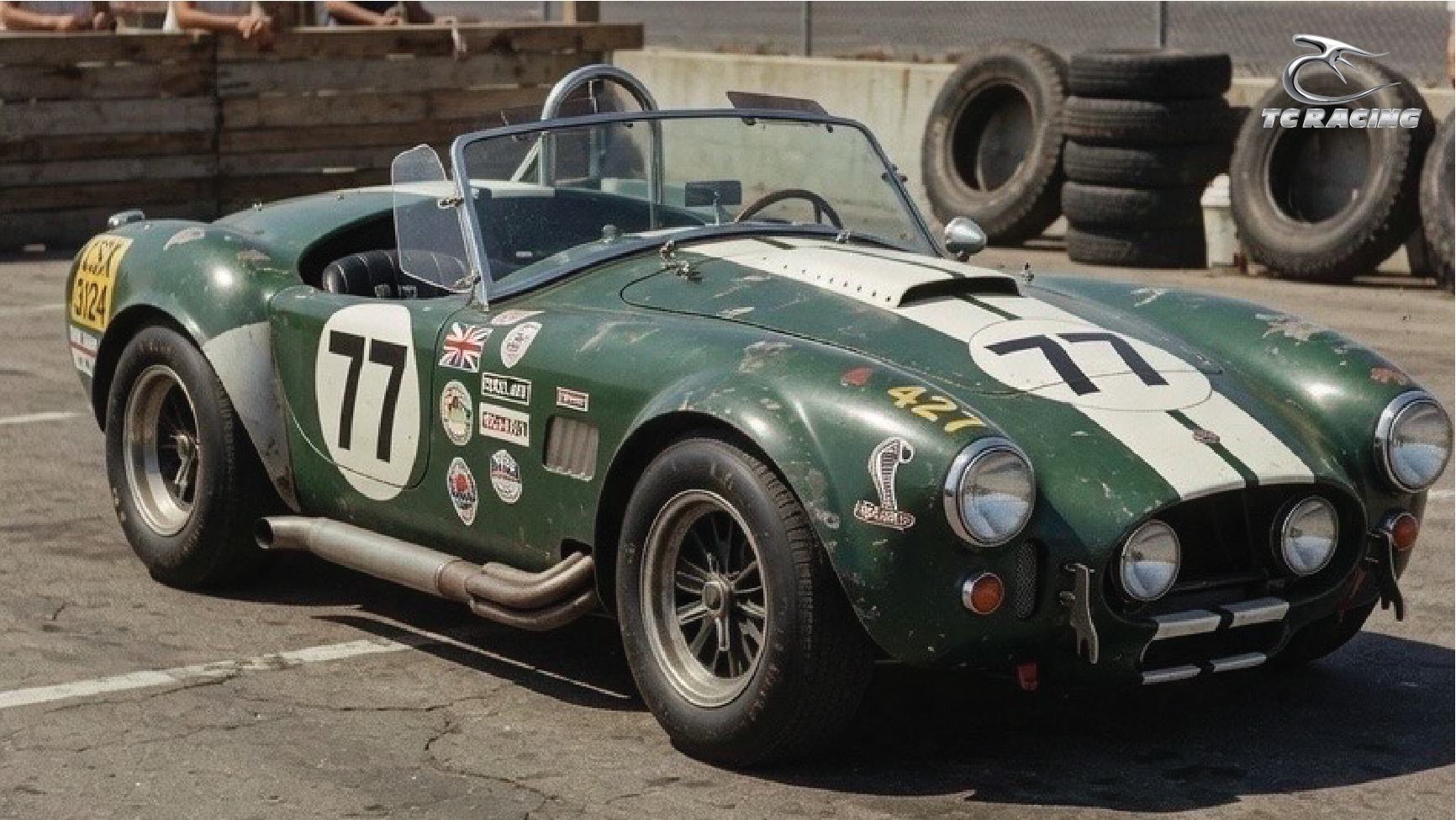
The Shelby Cobra was the first major realization of this vision. Starting with a lightweight AC Ace chassis from England, Shelby integrated a Ford® V8 engine, creating a car that combined European handling characteristics with American horsepower. Early versions featured small-block engines such as the 289, while later models, including the iconic 427 Cobra, pushed performance even further with larger displacement engines. The car’s front-engine, rear-wheel-drive layout and manual transmission ensured direct power delivery, resulting in a machine that was both brutally fast and surprisingly agile.
The Team Behind the Vision
Shelby’s success was not achieved in isolation. It was the result of collaboration with a talented group of individuals who helped bring his ideas to life. Among them was Ken Miles, whose ability to translate driving experience into technical feedback proved invaluable. Alongside Miles were engineers and fabricators within Shelby American, as well as support from Ford Motor Company. This combination of talent created a feedback loop where design, testing, and refinement worked together to produce increasingly competitive machines.
The Daytona Coupe: Beating Europe at Its Own Game
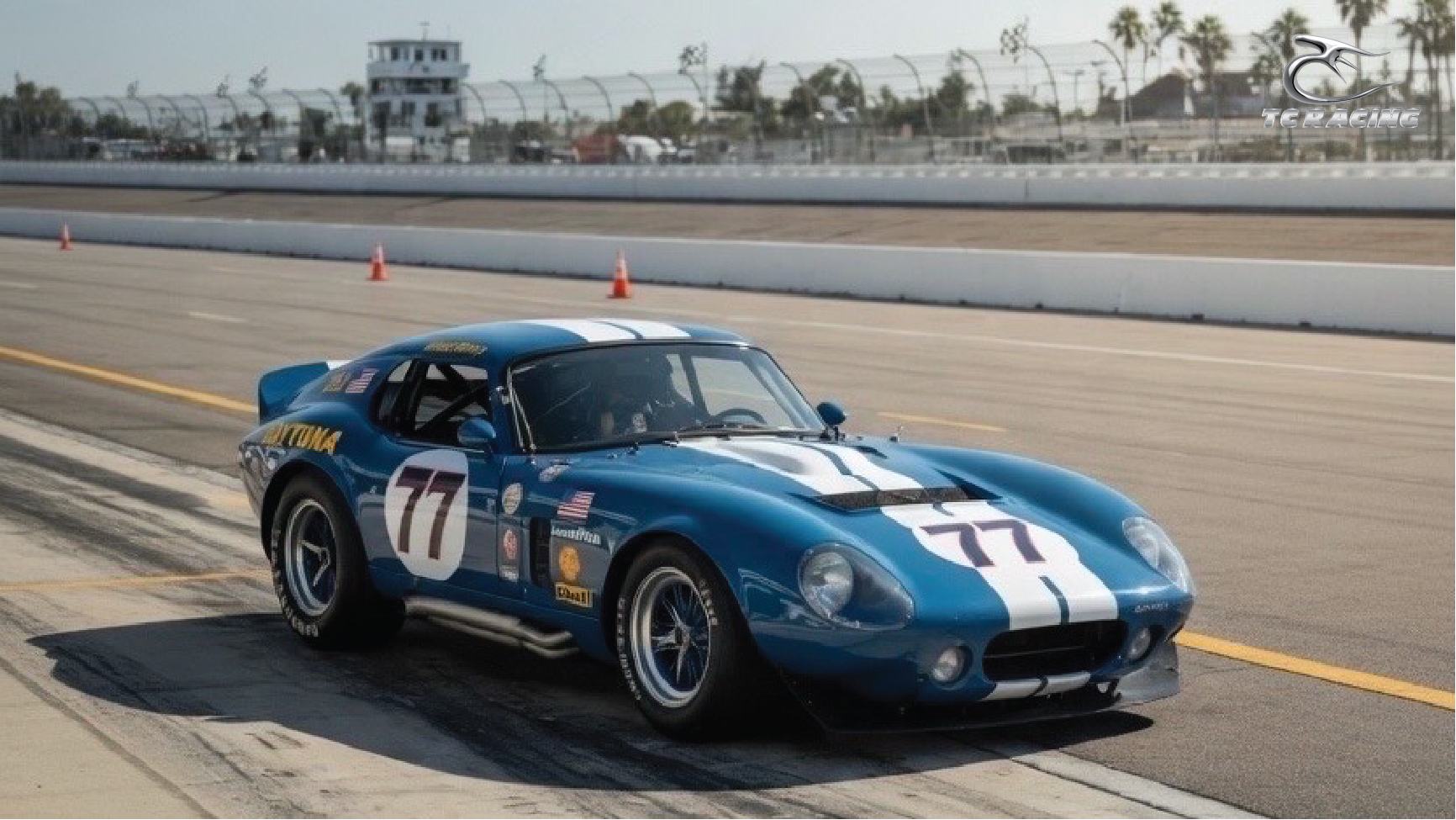
While the Cobra proved successful, its open design created aerodynamic limitations at high speeds. To address this, Shelby and his team developed the Daytona Coupe, a closed-body version designed to reduce drag and improve top speed. The streamlined shape allowed the car to perform more effectively on long straights, particularly at circuits like Le Mans. This evolution marked a critical step in Shelby’s campaign to challenge European dominance, as it combined power with the aerodynamic efficiency needed for endurance racing success.
The Turning Point: Le Mans 1966
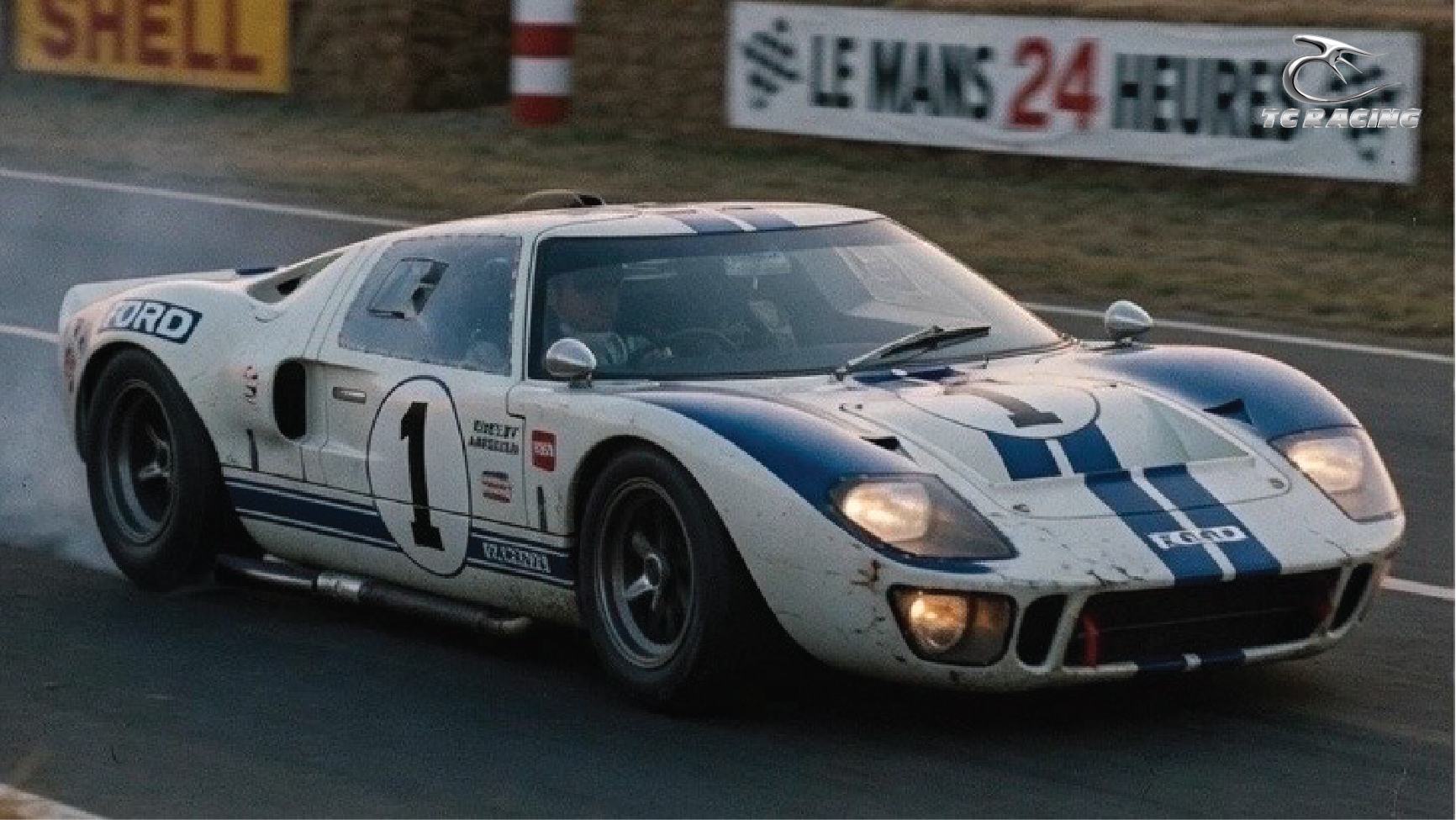
The defining moment of Shelby’s impact came at the 1966 24 Hours of Le Mans. By this point, he was deeply involved in the development of the Ford GT40 program, a project aimed at ending Ferrari’s dominance in endurance racing. Shelby played a key role in refining the car’s performance, organizing race strategy, and leading the team effort. The result was a historic 1-2-3 finish for Ford, a moment that not only marked a victory but also signaled a shift in the balance of power within motorsport. It proved that American engineering could compete at the highest level and succeed.
Engines That Changed the Game
Shelby’s approach to engines focused on maximizing reliability and performance without unnecessary complexity. By utilizing Ford’s small-block and big-block V8 engines, including the 289 and 427, he ensured that his cars delivered both power and durability. These engines provided massive torque and consistent performance over long race distances, which was critical in endurance racing. In the GT40 program, endurance-tuned V8 engines further demonstrated that simplicity and strength could outperform more complex designs.
Drivetrain Philosophy: Keep It Direct
The drivetrain philosophy behind Shelby’s cars reflected his overall approach to engineering. By maintaining a rear-wheel-drive layout and using strong manual transmissions, he ensured that power delivery remained efficient and predictable. This direct approach minimized energy loss and allowed drivers to fully utilize the available power. The result was a driving experience that emphasized control and responsiveness, key factors in both sprint and endurance racing.
Challenging European Dominance
Before Shelby’s influence, European manufacturers were widely regarded as the standard in endurance racing. His work challenged that perception by demonstrating that a different approach could achieve similar or greater success. By combining American power with European-inspired chassis design and innovative aerodynamics, Shelby created cars that could compete on equal footing with established competitors. This shift not only impacted race results but also influenced how manufacturers approached performance engineering.
Legacy Beyond the Track
Shelby’s impact extended far beyond individual races and championships. His work influenced performance car development, racing culture, and the relationship between manufacturers and motorsport. Vehicles like the Cobra and GT40 became icons, representing a blend of innovation and bold thinking. His approach demonstrated that success in racing could come from rethinking established norms rather than simply following them.
The Personality Behind the Machines
Shelby’s personality played a significant role in his success. He was confident, direct, and unafraid to take risks. His willingness to trust his instincts and pursue unconventional solutions set him apart from others in the industry. This mindset allowed him to push boundaries and achieve results that many considered unlikely.
A Directional Change
Carroll Shelby did more than build race cars. He changed the direction of motorsport. Through the Cobra, the Daytona Coupe, and the Ford GT40, he demonstrated that innovation does not always require complexity, but rather a clear vision and the courage to challenge convention. His legacy continues to influence performance engineering and racing culture, serving as a reminder that sometimes the most effective solutions are the simplest ones executed with precision and purpose.
Ferrari® trademark is owned by Ferrari S.p.A. (JOINT STOCK COMPANY; ITALY); Ford® trademark is owned by Ford Motor Company (CORPORATION; Delaware, USA). All trademarked names or other marks mentioned are for reference purposes only.