The Roar Before the 24: Daytona’s Opening Act to Endurance Glory
2026 Roar Before the 24: Dates and Format
The Roar traditionally takes place one week before the Rolex® 24, typically in mid-to-late January.
Expected 2026 Schedule:
- Duration: 3 days (Friday through Sunday)
- Sessions: Multiple practice sessions, qualifying, and support races
- Purpose: Testing, setup refinement, and race simulation
While the Rolex 24 is about endurance, the Roar is about preparation. Every lap turned here can make the difference when the real race begins.
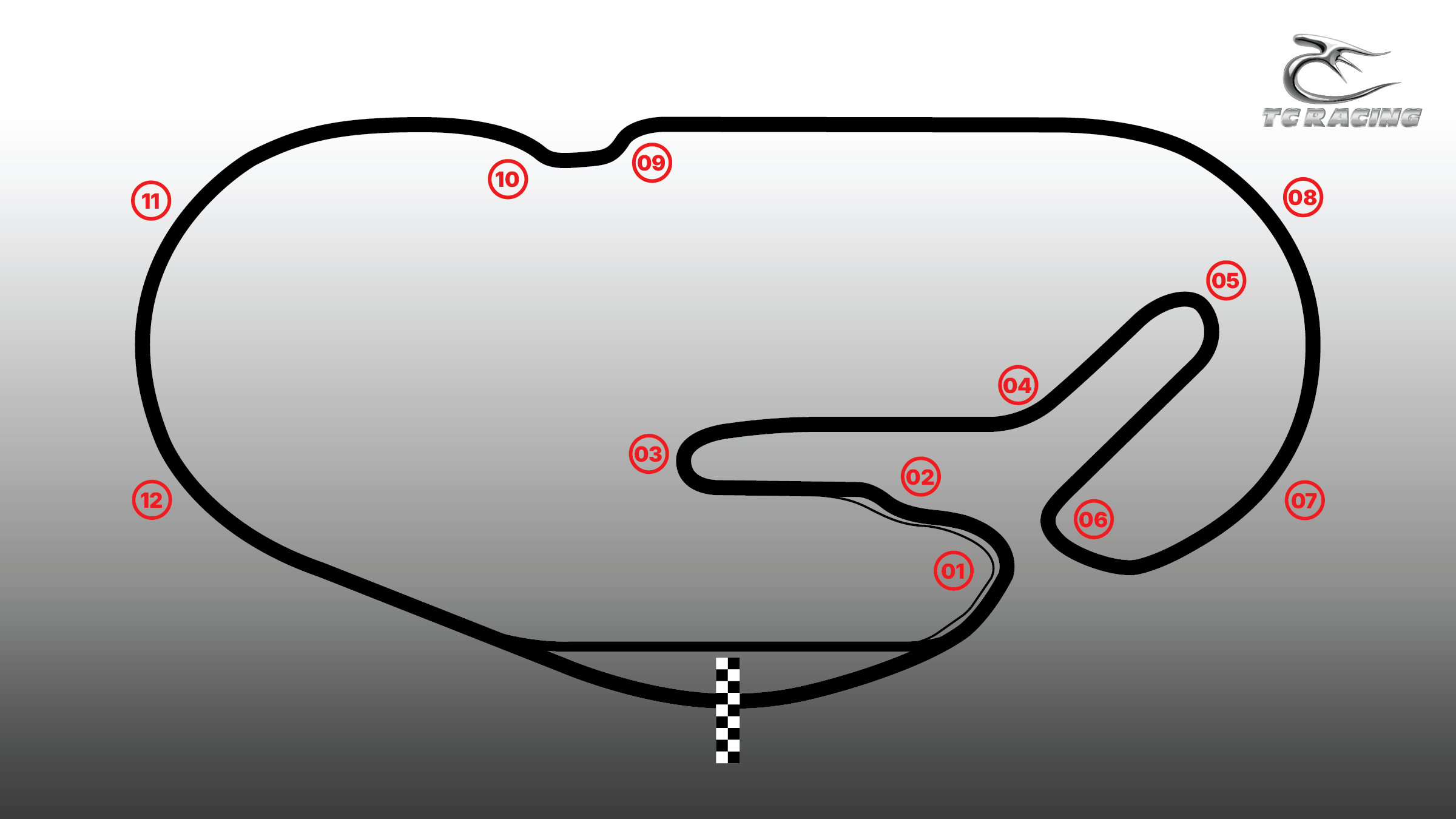
Track Layout: The Daytona Road Course
All Roar activities take place on Daytona’s road course configuration, which combines high-speed oval sections with a technical infield.
Track Specs:
- Length: 3.56 miles (5.73 km)
- Turns: 12
- Key Features: Banking, bus stop chicane, infield hairpins
This hybrid layout ensures teams must balance top speed with handling, a challenge that carries directly into the Rolex 24.
Classes Participating in the Roar
The Roar features the full IMSA® field, allowing every class to prepare under real race conditions.
Primary IMSA Classes:
-
GTP (Grand Touring Prototype) The fastest and most technologically advanced cars, featuring hybrid systems and manufacturer-backed teams.
-
LMP2 (Le Mans Prototype 2) A highly competitive prototype class known for close racing and strong performance.
-
GTD Pro (Grand Touring Daytona Pro) Professional GT entries from manufacturers such as Porsche®, Corvette, Ferrari®, and BMW®.
-
GTD (Grand Touring Daytona) Mixed driver class combining professionals and amateur racers.
This multi-class format creates the same traffic challenges teams will face during the Rolex 24.
Session Types and Track Activity
The Roar is packed with on-track activity designed to simulate real race conditions.
1. Practice Sessions
Teams participate in multiple sessions across day and night conditions.
- Focus on setup adjustments
- Tire and fuel testing
- Driver familiarity with the car
Night sessions are particularly important, as they prepare drivers for the challenges of racing in darkness.
2. Qualifying
Unlike traditional testing events, the Roar includes qualifying sessions that help determine pit and garage assignments for the Rolex 24.
- Determines starting positions for certain preliminary races
- Provides teams with performance benchmarks
- Offers fans a preview of competitive pace
3. Simulation Runs
Teams often run extended stints to simulate race conditions.
- Testing driver rotations
- Evaluating tire wear
- Practicing pit stop strategies
These runs are critical for endurance preparation.
Support Races and Additional Events
The Roar is not just about testing. It also features competitive racing from support series.
Michelin Pilot Challenge
One of the key support events during the Roar weekend.
- Features production-based touring cars
- Classes include GS (Grand Sport) and TCR
- Race Duration: Typically 4 hours
This race serves as both a competition and a warm-up for teams ahead of the main IMSA season.
VP Racing SportsCar Challenge
Another series often featured during the Roar.
- Includes LMP3 prototypes and GT4 cars
- Sprint-style racing format
- Race Duration: Typically 45 to 60 minutes per race
These shorter races provide additional track action and allow teams to gain valuable experience.
Why the Roar Matters
1. Final Preparation for Endurance Racing
The Roar is the last chance to fine-tune everything before the Rolex 24.
- Setup adjustments
- Reliability testing
- Strategy refinement
Mistakes here are lessons. Mistakes in the race can be catastrophic.
2. Real-World Conditions
Unlike private testing, the Roar features:
- Full multi-class traffic
- Official timing and scoring
- Competitive pressure
This creates an environment that closely mirrors race conditions.
3. Day-to-Night Transition
Teams must prepare for:
- Changing temperatures
- Reduced visibility
- Evolving track conditions
The Roar provides critical experience in these areas.
4. Early Season Benchmark
Performance at the Roar often indicates how teams will perform during the season.
- Identifies strong contenders
- Reveals potential weaknesses
- Sets expectations for the Rolex 24
Strategy and Key Focus Areas
During the Roar, teams concentrate on several critical factors:
- Reliability: Ensuring the car can withstand 24 hours of racing
- Driver Comfort: Adjusting seating, visibility, and ergonomics
- Pit Stops: Practicing fast and efficient service
- Data Collection: Analyzing performance metrics
Every detail matters.
A Fan-Friendly Experience
While primarily a testing event, the Roar offers fans a unique opportunity.
- Access to teams and garages
- Up-close viewing of cars on track
- Early look at new liveries and driver lineups
It is a more relaxed environment compared to the intensity of race weekend.
The Ifamous Precursor
The Roar Before the 24 is more than a preseason test. It is the foundation of the IMSA season.
It is where:
- Teams prepare for endurance
- Drivers adapt to conditions
- Strategies are refined
By the time the Rolex 24 begins, the groundwork has already been laid.
Because at Daytona, success is not just about what happens during the race. It is about everything that happens before it.
Rolex® trademark is owned by Rolex Watch U.S.A., Inc. New York 665 Fifth Avenue New York NEW YORK 10022; IMSA® trademark is owned by International Motor Sports Association, LLC (LIMITED LIABILITY COMPANY; FLORIDA, USA); Porsche® trademark is owned by Dr. Ing. h.c.F. Porsche AG; Ferrari® trademark is owned by Ferrari S.p.A. (JOINT STOCK COMPANY; ITALY); BMW® trademark is owned by Bayerische Motoren Werke Aktiengesellschaft (JOINT STOCK COMPANY; GERMANY). All trademarked names or other marks mentioned are for reference purposes only.