Nürburgring: The Green Hell That Defines Motorsport Greatness
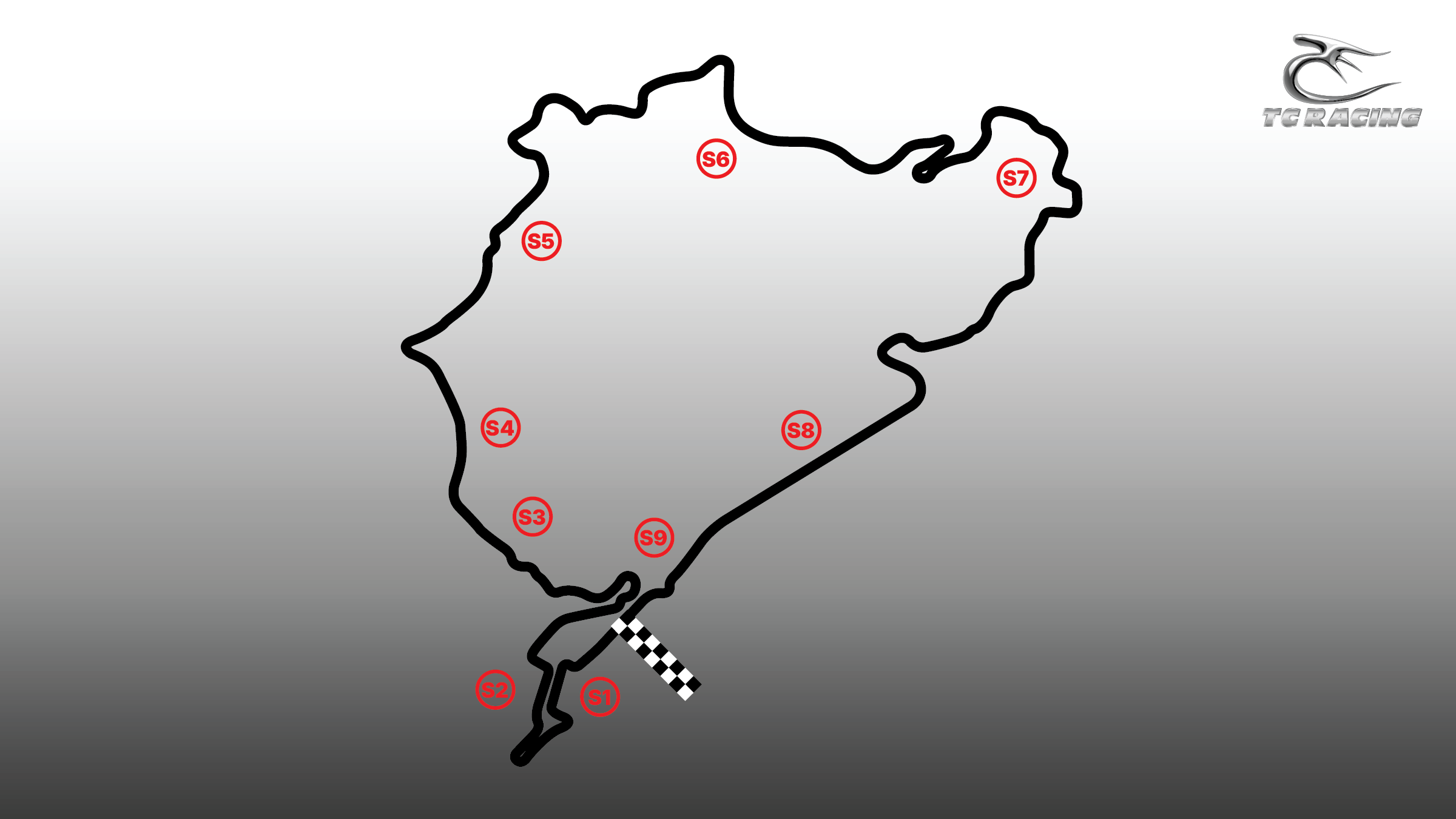
A Track Built Into the Mountains
The Nürburgring was originally constructed in the 1920s as a means to stimulate economic growth in the Eifel region. What emerged was not just a racetrack, but a sprawling motorsport complex unlike any other.
The circuit is composed of two primary layouts:
- Nordschleife (North Loop): Approximately 20.8 km (12.9 miles)
- GP-Strecke (Grand Prix Circuit): Modern, FIA-compliant layout
The Nordschleife is the heart of Nürburgring mythology. With over 150 corners, dramatic elevation changes exceeding 300 meters, and a layout that winds through dense forest, it has earned its nickname: The Green Hell, famously coined by Jackie Stewart.
Unlike modern circuits designed with wide runoff areas and predictable geometry, the Nordschleife feels organic, carved into the terrain rather than engineered over it.
What Makes Nürburgring Unique
1. Length and Complexity
At over 20 kilometers, the Nordschleife is one of the longest permanent race circuits in the world.
- Over 150 corners
- Constant elevation shifts
- Blind crests and off-camber turns
Drivers must memorize every nuance of the track. A single lap can take over 8 minutes in GT machinery, meaning mistakes are costly and recovery opportunities are limited.
2. Elevation Changes
The Nürburgring’s elevation profile is one of its defining features.
Key sections include:
- Fuchsröhre: A high-speed compression zone
- Karussell: A steeply banked concrete corner
- Long uphill climbs followed by rapid descents
These elevation changes affect:
- Vehicle balance
- Brake temperatures
- Tire wear and pressure
Drivers experience constant physical load changes, making the track as demanding on the body as it is on the car.
3. Ever-Changing Weather
One of the Nürburgring’s most unpredictable characteristics is its microclimate.
It is common for:
- Rain in one sector
- Dry conditions in another
- Fog or mist in higher elevations
Teams must constantly adapt strategy, tire selection, and driver instructions. Weather forecasting becomes a critical part of race management.
4. Narrow Sections and Limited Runoff
Unlike modern circuits, the Nordschleife features:
- Narrow racing lines
- Minimal runoff areas
- Guardrails close to the track
This increases risk and places a premium on precision. There is little margin for error.
Major Events at Nürburgring
The Nürburgring hosts a variety of racing events, each showcasing different aspects of the circuit.
Nürburgring 24 Hours (ADAC TotalEnergies 24h)
- Race Length: 24 hours
- Track Layout: Combined Nordschleife + GP circuit (~25 km)
- Teams: Multi-class entries (GT3®, GT4, touring cars)
Driver structure:
- Typically 3 to 4 drivers per car
This event is one of the most demanding endurance races in the world.
Key characteristics:
- Over 100 cars on track simultaneously
- Day-to-night transitions
- Extreme traffic management between classes
Winning requires not only speed, but survival.
Nürburgring Langstrecken-Serie (NLS)
- Race Length: 4 to 6 hours per race
- Season Format: Multiple rounds annually
- Track Layout: Nordschleife + GP loop
Driver structure:
- Usually 2 to 4 drivers per car
The NLS serves as both a competitive championship and preparation ground for the 24-hour race.
Formula One® (Historic and Occasional Modern Use)
The Nürburgring has hosted Formula One races on both the Nordschleife (historically) and the GP circuit.
- Race Length: Approximately 305 km (~190 miles)
- Duration: Around 90 minutes
Driver structure:
- Single driver per car
Due to safety concerns, F1® no longer races on the Nordschleife, but the track remains an important part of its history.
Touring and GT Championships
Various series visit Nürburgring, including:
- DTM
- GT World Challenge Europe
Race formats vary:
- Sprint races: 1 hour
- Endurance races: 3 to 6 hours
Driver structure:
- Sprint: 1–2 drivers
- Endurance: 2–3 drivers
Public Driving (Touristenfahrten)
One of Nürburgring’s most unique features is its accessibility.
During designated sessions:
- Public drivers can lap the Nordschleife
- Road cars, motorcycles, and enthusiasts share the track
This creates a rare connection between professional motorsport and everyday drivers.
Multi-Class Racing: A Nürburgring Specialty
A defining element of Nürburgring racing is multi-class competition.
In events like the 24 Hours:
- High-performance GT3 cars share the track with slower touring cars
- Speed differentials can exceed 100 mph
This creates:
- Constant overtaking scenarios
- Complex traffic management
- Strategic decision-making
Drivers must balance aggression with awareness, making endurance racing at Nürburgring uniquely challenging.
Tire, Setup, and Mechanical Challenges
The Nürburgring places extreme demands on vehicles.
Teams must account for:
- Suspension setup for uneven surfaces
- Brake cooling due to long high-speed sections
- Tire durability across varied conditions
A setup that works in one section may be compromised in another.
This forces teams into a constant balancing act between:
- Performance
- Reliability
- Adaptability
Driver Skill and Mental Endurance
Driving the Nürburgring requires a specific skill set.
Drivers must:
- Memorize over 150 corners
- Adapt to changing grip levels
- Maintain focus over long stints
Fatigue becomes a major factor, especially in endurance races.
Even experienced drivers often describe the Nordschleife as:
- Mentally exhausting
- Physically demanding
- Unforgiving
Why Nürburgring Remains an Icon
The Nürburgring’s reputation is built on more than just statistics.
It represents:
- A connection to motorsport history
- A challenge that evolves with every lap
- A benchmark for drivers and manufacturers
Automakers frequently test vehicles at the Nordschleife, using lap times as a measure of performance credibility.
The track has become:
- A development tool
- A marketing platform
- A proving ground
Cultural Impact on Motorsport
Few circuits have influenced motorsport culture as deeply as the Nürburgring.
It has shaped:
- Driver development
- Vehicle engineering
- Fan engagement
The term “Nürburgring lap time” has become synonymous with performance benchmarking.
Final Reflections
The Nürburgring is not just a racetrack. It is an experience, a challenge, and a legacy.
From the punishing length of the Nordschleife to the intensity of 24-hour endurance racing, it demands the highest level of skill, preparation, and respect.
Drivers do not simply race the Nürburgring. They confront it.
And in doing so, they become part of its history.
That is what makes the Nürburgring not just iconic, but timeless.
GT3® trademark is owned by Dr. Ing. h.c.F. Porsche AG; Formula One®, F1® are trademarks owned by Formula One Licensing B.V. (BESLOTEN VENNOOTSCHAP (B.V.); NETHERLANDS). All trademarked names or other marks mentioned are for reference purposes only.