Indianapolis Motor Speedway: Speed, Precision, and the Legacy of the Brickyard
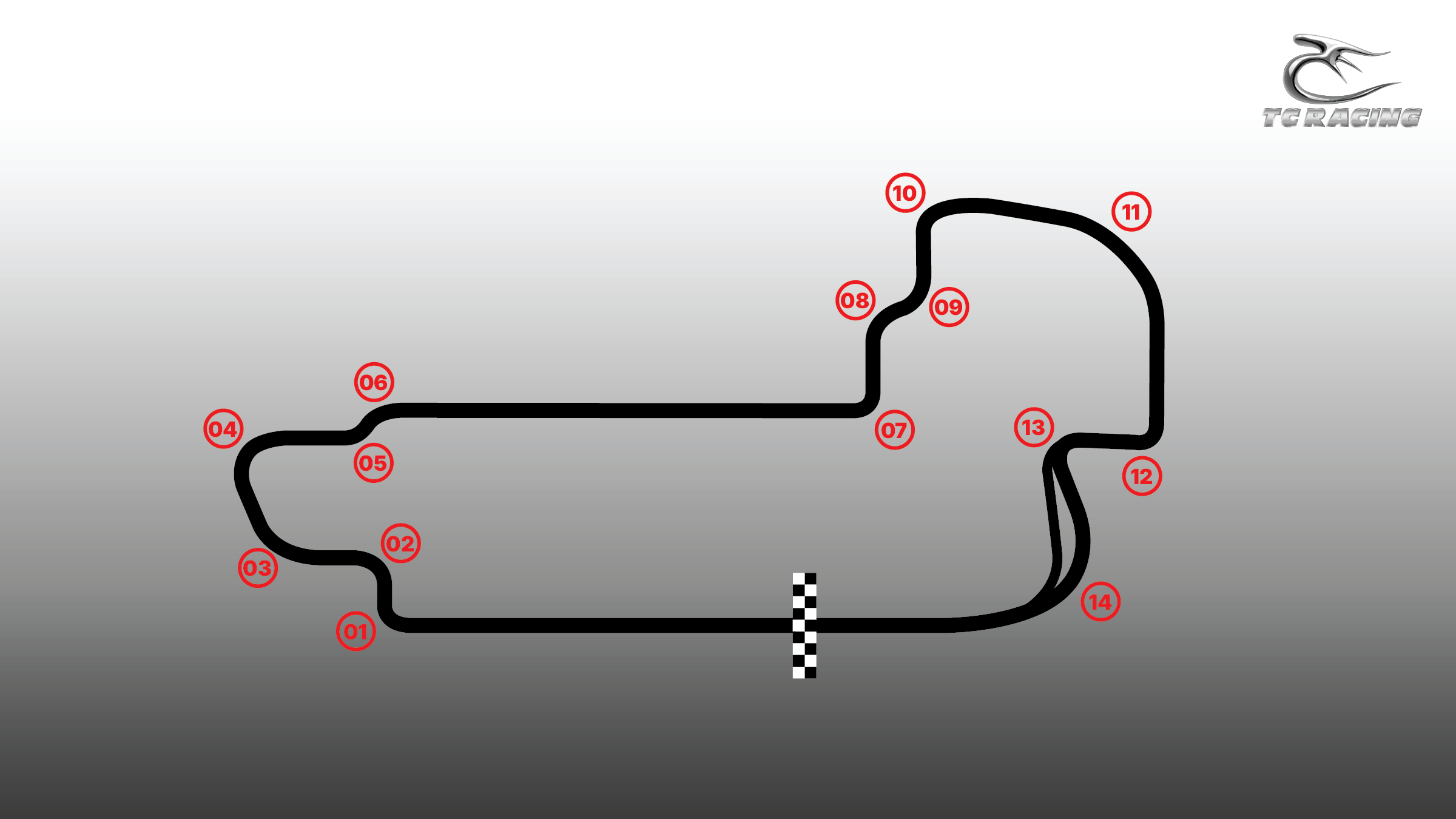
Track Layout: Oval Meets Road Course
The IMSA® event at Indianapolis uses the road course layout, which incorporates portions of the famous oval along with a technical infield section.
Track Specs (Road Course):
- Length: 2.439 miles (3.925 km)
- Turns: 14
- Surface: Asphalt (with historic brick start/finish section)
- Layout: Combination of oval straights and infield road course
This hybrid design creates a unique challenge. Drivers transition from high-speed oval sections into tight, technical corners that demand precision.
Signature Sections and Key Challenges
Indianapolis is defined by contrast. Long straights meet tight corners, and high-speed sections are immediately followed by heavy braking zones.
Turn 1 (End of Front Straight)
One of the most critical sections on the track.
- Heavy braking from high speed
- Primary overtaking opportunity
- High risk of contact in multi-class racing
Drivers must balance aggression with control, especially on race starts and restarts.
Infield Hairpins
The road course features several tight corners that resemble hairpins.
- Require significant braking
- Demand precise throttle application on exit
- Key for overtaking and positioning
These corners slow the pace dramatically compared to the oval sections, creating a rhythm shift that challenges drivers.
Back Straight
A long acceleration zone where cars build speed.
- Critical for setting up passes
- Leads into another heavy braking zone
- Highlights differences in straight-line performance
Technical Infield Section
A series of medium-speed corners that test driver skill.
- Requires smooth inputs
- Limited runoff areas
- Punishes overdriving
This section separates disciplined drivers from aggressive ones.
Race Classes at Indianapolis
The IMSA event at Indianapolis typically features a reduced class format, focusing on key categories.
Primary Classes:
-
GTP (Grand Touring Prototype) The fastest and most advanced cars, featuring hybrid technology and manufacturer-backed teams.
-
GTD Pro (Grand Touring Daytona Pro) Professional GT racing entries with top-tier drivers and factory support.
-
GTD (Grand Touring Daytona) Mixed driver class combining professionals and amateurs.
This combination creates dynamic racing, with prototypes navigating through GT traffic on a technical layout.
Race Duration and Event Schedule
Indianapolis hosts a sprint-style IMSA race, emphasizing intensity over endurance.
Race Details:
- Race Duration: Approximately 2 hours and 40 minutes (160 minutes)
- Distance Covered: Varies depending on race conditions
- Format: Timed race
Event Timing:
- Typically held in September as part of the IMSA calendar
- Practice and qualifying sessions throughout the weekend
- Main race held on Sunday
The full event spans three days, offering a complete race weekend experience.
Why Indianapolis Is So Iconic
1. Historic Significance
Indianapolis Motor Speedway opened in 1909 and has been a cornerstone of motorsport ever since.
- Home of the Indy 500
- One of the oldest racing venues in the world
- A symbol of American racing culture
Winning at Indianapolis carries prestige across all racing disciplines.
2. The Yard of Bricks
The start/finish line features the famous brick strip, a nod to the track’s original surface.
- Drivers often “kiss the bricks” after victory
- Represents the track’s heritage
- A unique tradition in motorsport
3. Dual-Purpose Design
Few tracks offer both oval and road course racing.
- High-speed oval sections
- Technical infield layout
- Multiple racing disciplines hosted
This versatility adds to the track’s uniqueness.
4. High-Speed Meets Technical Precision
Indianapolis challenges drivers in multiple ways.
- Long straights demand power
- Tight corners require precision
- Heavy braking zones test control
It is a track that requires a complete skill set.
Strategy and Race Dynamics
The IMSA race at Indianapolis is shaped by its layout.
Key Factors:
- Braking Performance: Multiple heavy braking zones increase wear
- Track Position: Passing is possible but requires precision
- Traffic Management: Multi-class racing adds complexity
Teams must balance speed with strategic decision-making.
A Modern Racing Experience with Historic Roots
Indianapolis offers a unique atmosphere.
- Massive grandstands and infrastructure
- Close proximity to racing action
- A blend of history and modern racing
Fans experience both the legacy of the sport and the excitement of current competition.
Having Discipline
Indianapolis Motor Speedway is more than just a track. It is a symbol of motorsport itself.
It combines:
- History
- Innovation
- Challenge
From the high-speed front straight to the tight infield hairpins, every section demands focus and precision.
In IMSA competition, it becomes a race of strategy, execution, and discipline.
Because at Indianapolis, it is not just about winning.
It is about becoming part of something bigger.
IMSA® trademark is owned by International Motor Sports Association, LLC (LIMITED LIABILITY COMPANY; FLORIDA, USA). All trademarked names or other marks mentioned are for reference purposes only.