IMSA® Detroit Grand Prix: Tight Corners, Big Pressure in the Motor City
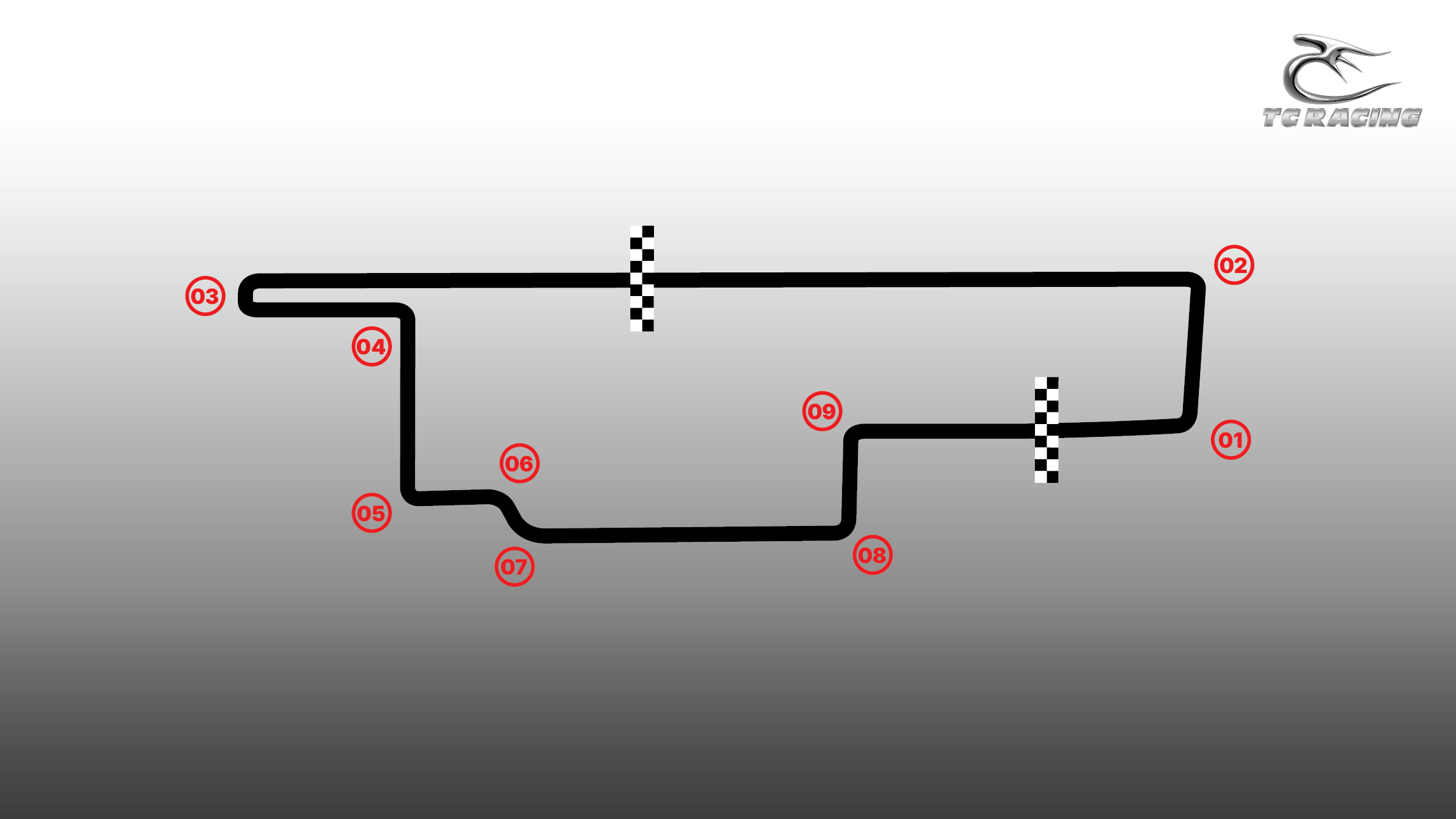
Track Layout and Specifications
The Detroit Grand Prix uses a temporary street circuit that transforms public roads into a professional racing venue.
Track Specs:
- Length: Approximately 1.7 miles (2.74 km)
- Turns: 9
- Surface: Public asphalt and concrete
- Environment: Concrete barriers, fencing, tight runoff
The circuit is compact, technical, and unforgiving. Unlike permanent road courses, there is no margin for error.
Key Sections of the Track
Detroit’s layout is defined by tight corners and short bursts of speed.
Front Straight
The main straight is relatively short compared to other circuits, but it is critical.
- Primary overtaking opportunity
- Leads into heavy braking zones
- Requires strong corner exit speed
Drivers must maximize momentum coming out of the final turn to set up passes.
Tight Hairpins and 90-Degree Corners
Detroit is known for its series of sharp corners:
- Multiple 90-degree turns demand heavy braking
- Tight hairpins test traction and throttle control
- Frequent acceleration and deceleration cycles
This stop-and-go rhythm puts immense stress on braking systems and tires.
Technical Sections
The middle part of the circuit features a sequence of technical corners:
- Requires precise steering inputs
- Limited visibility in certain sections
- No room for correction due to close walls
It is a track that rewards patience and punishes aggression.
Race Classes at Detroit
Unlike longer endurance races, the Detroit round features a reduced class format, keeping the racing intense and focused.
Primary IMSA® Classes:
-
GTP (Grand Touring Prototype) The fastest cars on the grid, featuring hybrid powertrains and advanced aerodynamics.
-
GTD Pro (Grand Touring Daytona Pro) Professional GT racing entries from manufacturers like Corvette, Porsche®, and Ferrari®.
This combination creates a dynamic race where prototypes must carefully navigate through GT traffic on a very tight circuit.
Race Duration and Format
The Detroit IMSA race is a sprint event, significantly shorter than endurance races like Sebring or Daytona.
Race Details:
- Total Duration: Approximately 100 minutes
- Distance Covered: Varies depending on race pace and cautions
- Format: Timed race rather than fixed laps
Each class competes simultaneously within this time frame, making strategy and execution critical from the start.
What Makes Detroit Unique?
1. A True Street Circuit Challenge
Detroit is not a purpose-built track. It is a city turned into a racetrack.
That means:
- Concrete walls instead of runoff
- Narrow racing lines
- Limited escape routes
Drivers must be precise. There is no margin for experimentation.
2. Constant Surface Changes
Street circuits are unpredictable, and Detroit is no exception.
Drivers encounter:
- Bumps and uneven pavement
- Patches of asphalt and concrete
- Painted lines with reduced grip
Grip levels evolve throughout the race weekend, requiring constant adaptation.
3. Stop-and-Go Layout
Unlike flowing circuits like WeatherTech® Raceway Laguna Seca, Detroit is defined by its stop-and-go nature.
- Heavy braking into tight corners
- Rapid acceleration out of turns
- Limited high-speed sections
This puts emphasis on braking performance and traction rather than top speed.
4. Track Position Is Critical
With limited passing opportunities, qualifying becomes extremely important.
Starting up front provides:
- Cleaner air
- Less traffic
- Greater control over race pace
Drivers starting deeper in the field often struggle to make significant progress.
5. The Motor City Connection
Detroit’s automotive heritage adds a unique layer of significance.
Racing here is not just about competition. It is about showcasing performance in a city that built the modern automobile industry.
Manufacturers take pride in performing well on these streets. It is a home stage for innovation and engineering excellence.
Strategy and Race Dynamics
The Detroit race may be short, but it is intense.
Key Strategic Elements:
- Pit Stops: Limited opportunities mean timing is critical
- Caution Periods: Street circuits often produce incidents, reshaping the race
- Traffic Management: Multi-class racing adds complexity
Drivers must balance aggression with control, especially in tight traffic conditions.
A Fan-Centered Experience
The Detroit Grand Prix offers a unique viewing experience.
- Close proximity to the track
- Urban setting with city skyline views
- High-energy atmosphere
Fans are often just feet away from the action, making it one of the most immersive events on the calendar.
The Execuution
The IMSA Detroit Grand Prix is not about endurance. It is about execution.
It is a race defined by:
- Tight corners
- Limited space
- High consequences
Drivers are tested not just on speed, but on precision and discipline.
In the Motor City, where automotive history runs deep, the Detroit Grand Prix stands as a modern showcase of performance and control.
Because on these streets, it is not enough to be fast.
You have to be perfect.
IMSA® trademark is owned by International Motor Sports Association, LLC (LIMITED LIABILITY COMPANY; FLORIDA, USA); Porsche® trademark is owned by Dr. Ing. h.c.F. Porsche AG; Ferrari® trademark is owned by Ferrari S.p.A. (JOINT STOCK COMPANY; ITALY); WeatherTech® trademark is owned by MacNeil IP, 1 MacNeil Court Bolingbrook ILLINOIS 60440. All trademarked names or other marks mentioned are for reference purposes only.