Daytona International Speedway®: Where the Racing Year Begins
Why Daytona Is So Infamous
Daytona’s legacy comes from its unique design and its place in motorsport history.
1. High-Speed Banking
The track’s steep banking allows cars to maintain incredible speeds through the turns.
- Banking angles reach over 30 degrees
- Cars remain at full throttle for extended periods
- Creates intense aerodynamic drafting battles
This is not typical road racing. It is high-speed chess played inches apart.
2. Dual-Purpose Layout
Daytona combines:
- A high-speed oval
- A technical infield road course
This hybrid layout forces teams to balance straight-line speed with cornering ability. Cars must be stable on the banking while remaining agile in tight sections like the infield and bus stop chicane.
3. Endurance Legacy
Daytona has long been a proving ground for endurance racing.
- 24-hour race format
- Day-to-night transition
- Constant mechanical stress
Winning here is not just about speed. It is about survival.
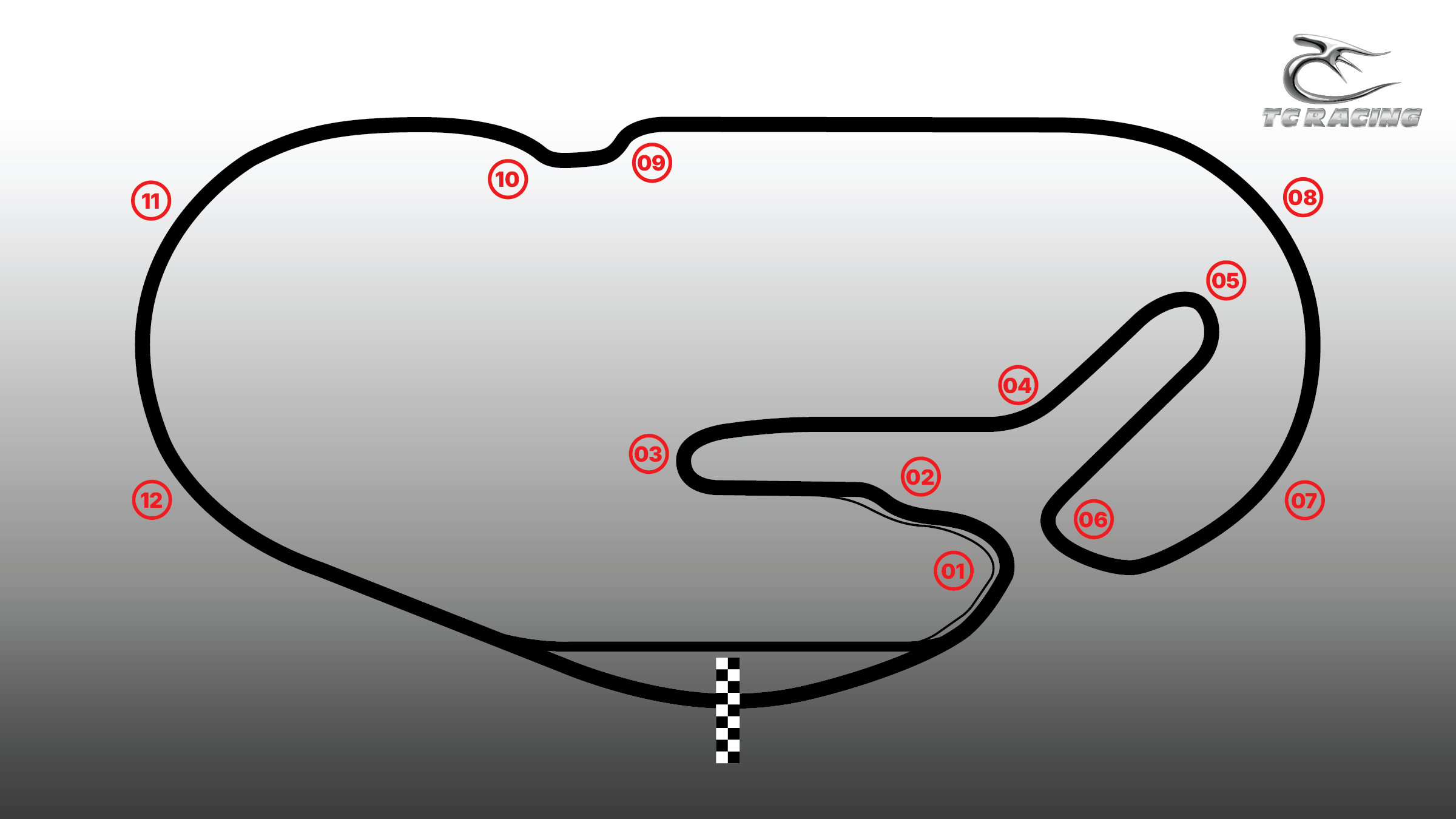
Track Layout and Characteristics
Track Specs (Road Course Configuration):
- Length: 3.56 miles (5.73 km)
- Turns: 12
- Surface: Asphalt with tri-oval banking
Key Sections:
- Tri-Oval and Banking: High-speed sections where drafting plays a major role
- Infield Turns: Tight, technical corners requiring precision
- Bus Stop Chicane: A heavy braking zone on the back straight, critical for overtaking
- International Horseshoe: A slow, technical turn that tests traction
This combination creates one of the most diverse challenges in motorsport.
Race Classes Entering in 2026
The Rolex® 24 features a full multi-class IMSA® field, creating dynamic and complex racing.
Current Classes:
-
GTP (Grand Touring Prototype) The fastest and most advanced cars on track, featuring hybrid systems and manufacturer-backed teams.
-
LMP2 (Le Mans Prototype 2) Highly competitive prototype class with strong performance and close racing.
-
GTD Pro (Grand Touring Daytona Pro) Professional GT entries from manufacturers like Porsche®, Corvette, Ferrari®, and BMW®.
-
GTD (Grand Touring Daytona) Mixed driver class combining professionals and amateur racers.
These classes share the track simultaneously, creating constant traffic and strategic decision-making.
2026 Race Dates and Event Schedule
As of January 1st, 2026, the Rolex 24 at Daytona is scheduled for the final weekend of January, continuing its tradition as the opening event of the IMSA season.
Key Dates (2026):
- Practice Sessions: Mid-to-late January
- Qualifying (Roar Before the 24): Week leading into race weekend
- Race Start: Saturday, late January
- Race Finish: Sunday, 24 hours later
Event Duration:
- The full event spans approximately 4 to 5 days
- Includes testing, qualifying, and support races
Race Duration and Format
Rolex 24 at Daytona:
- Race Length: 24 hours
- Distance Covered: Often over 2,500 miles depending on pace
- Format: Timed endurance race
Teams rotate multiple drivers throughout the event, managing fatigue, strategy, and mechanical wear.
Strategy and Race Dynamics
Endurance racing at Daytona is shaped by several key factors.
1. Driver Rotation
- Teams use multiple drivers
- Stints are carefully managed to reduce fatigue
- Night driving adds complexity
2. Tire and Fuel Strategy
- Frequent pit stops for fuel and tires
- Strategic timing can gain track position
- Managing tire wear is critical over long stints
3. Traffic Management
With multiple classes on track:
- Faster prototypes navigate slower GT cars
- Closing speeds are significant
- Timing overtakes is essential
4. Weather Conditions
January in Florida can bring unpredictable conditions.
- Cool temperatures at night
- Possible rain
- Changing track grip
Teams must adapt quickly to evolving conditions.
What Makes Daytona Unique in IMSA
Daytona stands apart from other IMSA tracks for several reasons.
- Combination of speed and technical driving
- 24-hour endurance format
- Historic significance in motorsport
- Opening race of the season
It is both a proving ground and a statement. Teams that perform well here set the tone for the year.
A Global Stage
The Rolex 24 attracts international teams, drivers, and manufacturers.
- Global participation
- Factory-backed entries
- World-class competition
It serves as a bridge between North American racing and international endurance competition.
Final Accolade
Daytona International Speedway® is more than a race track. It is a tradition.
It represents:
- Speed
- Endurance
- Innovation
From the high-speed banking to the technical infield, every section challenges drivers in a different way.
The Rolex 24 at Daytona is not just the start of the IMSA season. It is a test of everything a racing team has to offer.
Because at Daytona, it is not enough to be fast. You have to last.
Rolex® trademark is owned by Rolex Watch U.S.A., Inc. New York 665 Fifth Avenue New York NEW YORK 10022; IMSA® trademark is owned by International Motor Sports Association, LLC (LIMITED LIABILITY COMPANY; FLORIDA, USA); Porsche® trademark is owned by Dr. Ing. h.c.F. Porsche AG; Ferrari® trademark is owned by Ferrari S.p.A. (JOINT STOCK COMPANY; ITALY); BMW® trademark is owned by Bayerische Motoren Werke Aktiengesellschaft (JOINT STOCK COMPANY; GERMANY); Daytona International Speedway® trademark is owned by International Speedway Corporation, Florida One Daytona Blvd, Daytona Beach, Florida 32114. All trademarked names or other marks mentioned are for reference purposes only.